





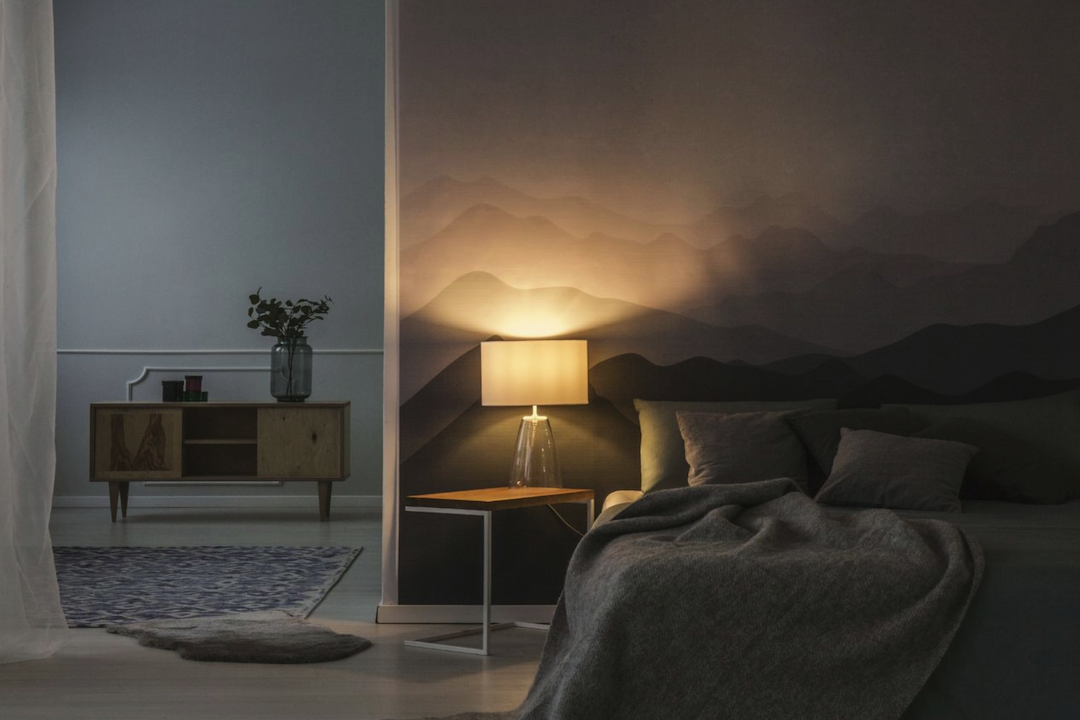
The bedroom, an essential space for rest and rejuvenation, benefits significantly from thoughtful lighting design. The quality and type of illumination can profoundly influence the atmosphere and perceived comfort of the room. This article explores how fabric shade lighting, specifically, can contribute to creating a supportive, “cozy ambiance” in a romantic bedroom setting.
Lighting is not merely about visibility; it’s a fundamental element in interior design that shapes mood, defines space, and highlights architectural features. In a bedroom, the objective often shifts from task illumination to mood creation.
Beyond Illumination: Emotional Impact
Light, in myriad forms, interacts with our physiology and psychology. Bright, cool-toned light Ilonalighting can evoke alertness, while warm, dim light often promotes relaxation. The bedroom, being a sanctuary, benefits from lighting that encourages a sense of calm and intimacy. Consider light not just as an energy source, but as a sculptor of emotion, capable of softening harsh corners of the mind and inviting repose.
Types of Bedroom Lighting
Effective bedroom lighting typically employs a layered approach, combining ambient, task, and accent lighting.
Ambient Lighting
Ambient lighting provides overall illumination, setting the general brightness of the room. This can come from ceiling fixtures, such as flush mounts or chandeliers, or from indirect sources like cove lighting. Its function is foundational, offering a base layer upon which other lighting types build.
Task Lighting
Task lighting is focused illumination for specific activities, like reading in bed or dressing. Bedside lamps, wall-mounted reading lights, or even a vanity light fall into this category. It’s about functionality without sacrificing atmospheric considerations.
Accent Lighting
Accent lighting draws attention to specific features, such as artwork, architectural details, or decorative objects. It adds depth and visual interest to a room, creating focal points and preventing a monotonous wash of light. In a bedroom, accent lighting contributes to the romantic mood by highlighting soft textures or contemplative art.
The Specifics of Fabric Shades
Fabric shades, a classic element in lighting design, offer unique benefits for bedroom settings, particularly in fostering a gentle, romantic atmosphere.
Diffusion and Softness
The primary characteristic of a fabric shade is its ability to diffuse light. Unlike clear glass or open bulbs, fabric shades act as a filter, scattering concentrated light beams into a softer, more distributed glow. This diffusion mitigates harsh shadows and reduces glare, creating an overall even and gentle illumination. Imagine the sun shining through a sheer curtain – the intensity is lessened, and the light that enters is softened, much like the effect of a fabric shade.
Warmth and Texture
Beyond diffusion, fabric shades introduce a layer of warmth and texture to a room. The material itself, whether linen, silk, cotton, or a blend, can add visual interest even when the light is off. When illuminated, the fabric’s inherent color and weave become more pronounced, contributing to the overall aesthetic. This textural quality can add a tactile dimension to the visual experience, making the space feel more inviting.
Versatility in Design and Aesthetics
Fabric shades are available in a vast array of shapes, sizes, colors, and patterns, offering significant versatility in design.
Shade Shapes and Their Impact
- Drum Shades: Cylindrical in form, drum shades provide an even light distribution and a contemporary aesthetic.
- Empire Shades: Tapered, wider at the bottom than the top, empire shades offer a classic and elegant profile, directing light both upwards and downwards.
- Rectangular or Square Shades: These geometric shapes can introduce a modern or structured feel, aligning with minimalist or architectural themes.
- Bell Shades: Flaring outwards from a narrow top, bell shades evoke a traditional or vintage sensibility.
Each shape influences how light is distributed and the visual weight of the fixture, allowing for precise control over the room’s character.
Material and Pattern Choices
The choice of fabric—from crisp linen to lustrous silk, or patterned cotton—further refines the shade’s contribution.
- Linen: Offers a natural, slightly textured look, often associated with casual elegance.
- Silk: Provides a luxurious sheen and can subtly change appearance with fluctuating light, adding a sophisticated touch.
- Cotton: Versatile and available in numerous patterns and colors, suitable for a range of styles from rustic to contemporary.
- Pleated Fabrics: Add visual depth and a classic, tailored appearance, contributing to a more formal or intricate aesthetic.
The interplay of material and pattern allows for seamless integration into various decor schemes, from minimalist to bohemian or opulent.
Integrating Fabric Shade Lighting into the Bedroom
Strategic placement and selection of fabric shade fixtures can enhance the romantic atmosphere of a bedroom. It’s about creating a symphony of light, where each fixture plays a harmonious role.
Bedside Lamps
Bedside lamps with fabric shades are quintessential for a romantic bedroom. They provide focused task lighting for reading while simultaneously casting a soft, localized ambient glow. The symmetrical placement of two bedside lamps often creates a sense of balance and intimacy within the sleeping area.
Placement and Height Considerations
The height of bedside lamps matters. When seated or reclining, the bottom of the lampshade should ideally be at shoulder height or slightly below eye level. This prevents glare and ensures the light is effective for reading without being obtrusive. Consider the width of your nightstands; a too-large shade can overwhelm a small surface, while a too-small shade may appear insignificant.
Switch Accessibility
Easy access to switches is paramount. Pull chains, inline switches, or even touch-sensitive bases enhance convenience and user experience, contributing to the overall comfort of the space.
Floor Lamps with Fabric Shades
A fabric shade floor lamp can serve as an elegant ambient light source, particularly in a corner or beside an accent chair. It adds vertical interest and disperses light further into the room than a bedside lamp alone.
Corner Illumination
Placing a floor lamp in a corner effectively softens the edges of the room and eliminates dark zones that can feel stark or uninviting. The upward and outward spread of light from a floor lamp often creates a sense of spaciousness.
Reading Nooks
Beside a comfortable armchair, a floor lamp with a fabric shade establishes a cozy reading nook, inviting quiet contemplation or shared moments. The diffused light ensures comfort for extended periods.
Pendant and Chandelier Fabric Shades
While less common than lamps, pendant lights or chandeliers outfitted with fabric shades can provide a central yet diffused ambient light source, particularly in larger bedrooms or those with higher ceilings.
Centralized Softness
A fabric shade pendant positioned above the bed or in the center of the room can offer a gentle overarching illumination, replacing the potentially harsh focus of a bare bulb or glass fixture. This softens the ceiling plane and integrates the light source into the overall décor as a design element.
Layering with Other Fixtures
When using a pendant or chandelier, it’s crucial to layer it with other light sources. This central fixture should complement, not overpower, bedside lamps and other accent lighting, contributing to a balanced and multi-dimensional lighting scheme.
Achieving “Cozy Ambiance”
Creating a cozy ambiance transcends mere illumination; it’s about orchestrating a sensory experience that promotes relaxation, warmth, and intimacy. Fabric shade lighting is a potent tool in this endeavor.
The Warmth Spectrum: Color Temperature
The “cozy ambiance” is heavily influenced by the color temperature of the light.
Kelvin Scale Explained
Color temperature is measured in Kelvin (K). Lower Kelvin values (2700K-3000K) produce a “warm” yellow-white light, resembling candlelight or incandescent bulbs. Higher Kelvin values (4000K+) appear “cool” or blue-white. For a romantic bedroom, selecting bulbs in the 2700K-3000K range is critical as they mimic the comforting glow of a sunset or a fire, promoting relaxation.
Impact on Perception
Warm light colors often make a room feel smaller and more intimate, drawing people in. They complement natural wood tones, rich fabrics, and warm wall colors, enhancing the sense of comfort and enclosure. Conversely, cooler light can make a space feel larger and more sterile, which is generally not conducive to a romantic bedroom.
Dimmer Switches for Control
The ability to control the intensity of light is arguably as important as the light source itself. Dimmer switches are indispensable for tailoring the ambiance to specific needs or moods.
Adjusting Intensity for Mood
A dimmer switch transforms a light fixture from a functional source of illumination to a dynamic tool for mood creation. Full brightness might be necessary for cleaning, while a softly dimmed light is perfect for winding down or intimate conversations. This flexibility allows the room to adapt as the evening progresses, moving from practical illumination to a warm, inviting glow that acts as a metaphorical invitation to relax.
Energy Efficiency
Beyond ambiance, dimmer switches also contribute to energy efficiency by reducing the power consumed by light bulbs when not at full brightness, thus extending bulb life.
Complementary Elements
Fabric shade lighting, while effective, is one component within a broader design strategy to cultivate coziness.
Soft Textures and Materials
Integrate soft textures like plush rugs, throws, decorative pillows, and draperies. These materials absorb sound and contribute to a tactile sense of warmth and comfort, mirroring the softness of the light. A room full of sharp edges and hard surfaces, regardless of lighting, will struggle to feel genuinely cozy.
Color Palette Cohesion
Choose a bedroom color palette that leans towards warm, subdued tones. Deep blues, muted greens, warm grays, and earthy browns can create a calming backdrop that harmonizes with the soft quality of fabric shade lighting. Avoid overly bright or stark colors that might conflict with the desired mood.
Thoughtful Arrangement
Arrange furniture in a way that encourages intimacy and conversation. Position the bed as a focal point, and ensure there are comfortable seating options that invite relaxation. The strategic placement of lighting fixtures should complement this arrangement, illuminating areas where connection and rest are encouraged. For example, a shared reading experience on a loveseat is enhanced by a well-placed floor lamp.
Maintenance and Longevity
To preserve the aesthetic qualities and functionality of fabric shade lighting, proper care and maintenance are required.
Regular Cleaning
Dust and debris can accumulate on fabric shades, impeding light diffusion and altering their appearance. Regular dusting with a soft brush or microfibre cloth is essential. For deeper cleaning, follow manufacturer’s instructions. Some fabric shades may be carefully vacuumed with an upholstery attachment, while others may require gentle spot cleaning or professional dry cleaning. Neglecting this can gradually diminish the shade’s ability to diffuse light effectively and dull its original vibrancy, much like a film developing over a window.
Bulb Selection
The type of light bulb used affects not only the light output but also the heat generated, which can impact the fabric.
LED Advantages
LED bulbs are generally recommended for fabric shade fixtures due to their low heat emission, energy efficiency, and long lifespan. They are available in various color temperatures, allowing you to choose the warm light essential for a romantic ambiance. Unlike older incandescent bulbs, LEDs produce minimal heat, reducing the risk of fabric discoloration or damage over time.
Wattage Limits
Always adhere to the maximum wattage specified for the fixture. Exceeding this limit can generate excessive heat, posing a fire hazard and potentially damaging the shade.
In conclusion, fabric shade lighting offers a compelling and effective method for creating a cozy and romantic ambiance in a bedroom. By diffusing light, introducing warmth and texture, and providing significant design versatility, these fixtures are more than just light sources; they are integral components in shaping the emotional landscape of a personal sanctuary. Coupled with thoughtful placement, color temperature selection, dimmer controls, and complementary design elements, fabric shade lighting can transform a bedroom into a haven of tranquility and intimacy.