

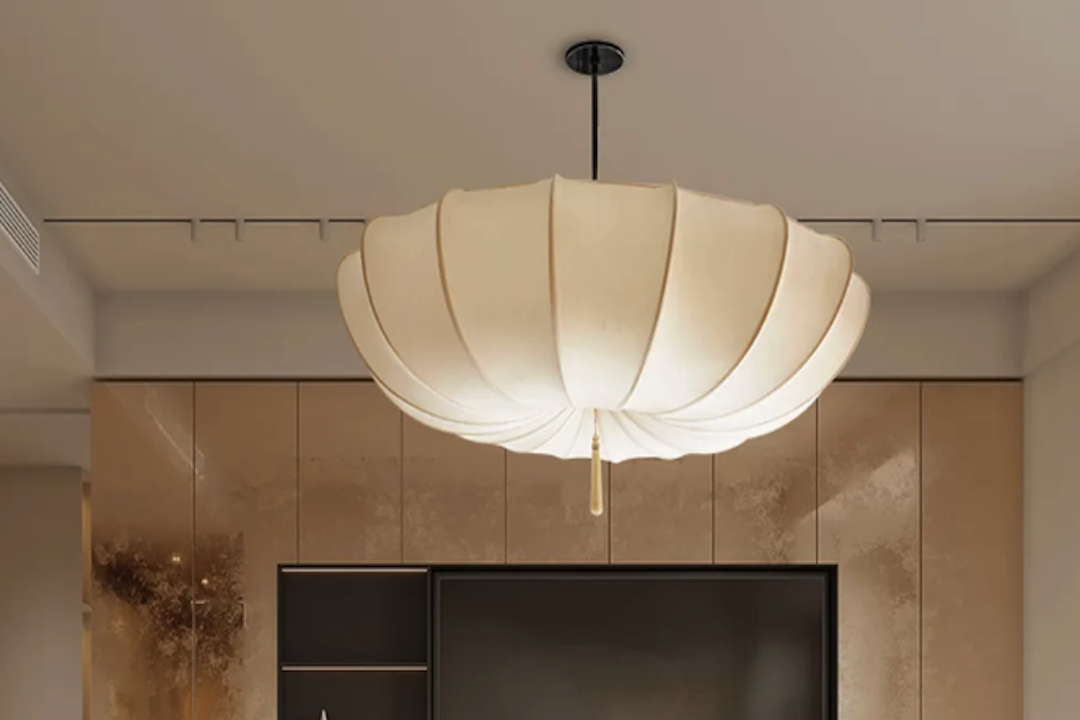
This article examines the “Elegant French Provincial Fabric Shade Chandelier,” a lighting fixture type characterized by its blend of rustic charm and refined aesthetics. This chandelier style draws primary inspiration from 17th and 18th-century French Provincial design traditions, adapting historical elements for contemporary interiors. Its defining features include a framework that often mimics forged iron or aged wood, complemented by fabric shades that diffuse light, creating a softer ambiance.
To understand the Elegant French Provincial Fabric Shade Chandelier Omloa, it is necessary to trace its lineage back to the broader French Provincial aesthetic. This design movement emerged in the provincial regions of France, particularly in areas like Provence, Normandy, and Brittany, as a localized adaptation of the more opulent Baroque and Rococo styles prevalent in Parisian aristocratic circles.
Evolution of Provincial Design
During the Bourbon monarchy, Parisian styles, characterized by elaborate ornamentation, gilding, and luxurious materials, were beyond the reach of the provincial gentry and affluent commoners. These individuals sought to emulate the fashionable Parisian trends but adapted them using locally available materials and artisanal techniques. This resulted in a more subdued, functional, yet still aesthetically pleasing style.
Influence of Regional Craftsmanship
Local craftsmen in the provinces, often working with wood, iron, and textiles, developed their own interpretations of popular designs. Furniture became less ornate, emphasizing practical forms and durable construction. Lighting fixtures, similarly, transitioned from grand crystal creations to more utilitarian yet graceful designs. Iron was often hand-forged, displaying subtle imperfections that lent character. Woods like oak and pine were frequently used, sometimes painted or distressed to mimic the wear of time.
Emergence of Fabric Shades
While early chandeliers, often candelabras, relied on open flames, advancements in lighting technology and interior design led to the incorporation of diffusers. Fabric shades, initially rudimentary and plain, gained prominence as a means to soften the harshness of light and add a layer of texture and elegance. This adoption was gradual, aligning with the broader trend toward more comfortable and less austere interiors in the 18th and 19th centuries. The fabric provided a barrier, transforming direct light into a more diffused glow.
Defining Characteristics
The Elegant French Provincial Fabric Shade Chandelier is identifiable by a specific set of characteristics that distinguish it from other chandelier styles. These features collectively contribute to its distinctive aesthetic.
Frame Materials and Finishes
The framework of these chandeliers typically employs materials that evoke a sense of heritage and solidity. Wrought iron is a common choice, often finished with a distressed black, antique bronze, or rust-colored patina. These finishes are deliberately applied to suggest age and use, mirroring the wear on historical objects. Alternatively, some models may feature frames constructed from carved wood, often oak or pine, which can be left natural, stained, or painted in muted tones like ivory, cream, or soft grey. The forging marks on iron or the grain of wood are often visible, serving as a testament to the material’s origin and manufacture. This materiality contrasts with the polished surfaces and precious metals often seen in more formal designs.
Arm and Detail Configuration
The arms extending from the central column of the chandelier are often gently curved or scrolled, eschewing sharp angles for more fluid lines. Decorative elements, when present, tend to be understated. Vous might observe small, hand-carved detailing on wooden frames, or subtle flourishes in wrought iron, such as acanthus leaves or geometric motifs. These details are rarely extravagant, aligning with the Provincial preference for modest embellishment. The overall silhouette aims for a balanced, symmetrical appearance, without feeling overly rigid.
Fabric Shade Varieties
The fabric shade is a critical component, dictating both the aesthetic and the quality of light.
Material Selection
Common fabric choices include linen, cotton, and sometimes silk blends. Linen and cotton are favored for their natural textures and durability, contributing to the rustic yet refined appeal. Silk blends may be used for a slightly more luxurious feel, though they retain the subdued color palette characteristic of the style. The fabric’s weave is often visible, adding textural interest.
Color Palettes
Color palettes for the shades are typically muted and earthy. You will frequently encounter shades in off-white, cream, beige, light grey, or soft pastels like pale blue or muted sage green. These colors complement the antique finishes of the frame and contribute to the chandelier’s overall ability to blend into various decor schemes without dominating a space. The aim is to provide a gentle filter, not to introduce a bold color statement.
Shade Forms
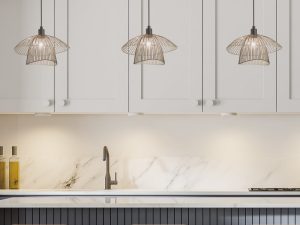
The shapes of the fabric shades are generally classic and unadorned. Empire, drum, or bell shapes are common, providing a clean line that doesn’t distract from the overall form. The simplicity of the shade’s geometric form allows the light to diffuse evenly, avoiding harsh shadows. The edges of the shades are often finished with a simple binding or trim, rather than elaborate fringe or tassels, reinforcing the understated elegance.
Functional and Aesthetic Contributions
The Elegant French Provincial Fabric Shade Chandelier is not merely a decorative object; it performs specific functions within an interior space, influencing both illumination and atmosphere.
Light Diffusion and Ambiance
One of the primary functional contributions of the fabric shade is its ability to diffuse light. Unlike clear glass or open bulb chandeliers, which can produce harsh, direct illumination, the fabric acts as a filter. This softens the light, distributing it more evenly throughout a room. The result is a warmer, more inviting glow that minimizes harsh contrasts and shadows. Consider the light as a gentle embrace, rather than an assertive beam. This quality makes the chandelier suitable for spaces where a relaxed and comfortable atmosphere is desired.
Versatility in Interior Design
Despite its distinct aesthetic, the Elegant French Provincial Fabric Shade Chandelier exhibits remarkable versatility in integrating with various interior design styles.
Complementing Traditional Settings
In traditional French Provincial, Shabby Chic, or Country French interiors, this chandelier serves as a natural anchor. Its inherent rustic elegance aligns perfectly with distressed furniture, toile fabrics, and antique accessories. It reinforces the theme of comfortable, understated luxury.
Bridging Transitional Spaces
For transitional interiors, which blend elements of traditional and contemporary design, the chandelier acts as a unifying element. Its classic form provides a sense of established elegance, while its often muted color palette and clean lines prevent it from feeling overly nostalgic. It can temper the sharp edges of modern furniture or add warmth to minimalist aesthetics.
Enhancing Modern Farmhouse and Eclectic Designs
In modern farmhouse designs, the chandelier’s rustic materials and simple forms resonate with the emphasis on natural textures and comfortable living. It can introduce a touch of refined character to otherwise plain backdrops. In eclectic spaces, where various styles are intentionally mixed, it can serve as a grounding piece, providing a point of historical reference without clashing with diverse elements. Its adaptability allows it to be a bridge across different design eras, connecting seemingly disparate elements into a cohesive whole.
Installation and Maintenance Considerations
Before acquiring and installing an Elegant French Provincial Fabric Shade Chandelier, it is prudent to consider several practical aspects related to its placement and upkeep.
Sizing and Placement
Proper sizing is paramount to ensure the chandelier harmonizes with the scale of the room. A common guideline is that the diameter of the chandelier should be approximately half the sum of the room’s length and width in feet. For example, a room that is 10 feet wide by 14 feet long (sum = 24 feet) might ideally accommodate a chandelier with a 12-inch diameter. This is a general rule, and ceiling height also plays a significant role. In rooms with standard 8-foot ceilings, ensure there is at least 7 feet of clearance from the bottom of the chandelier to the floor in walking areas. Over dining tables, the bottom of the chandelier should typically hang 30-36 inches above the tabletop to avoid obstructing views or creating glare. Consider the chandelier not just as an object but as a focal point, its position carefully calibrated within the room’s geometry.
Installation Requirements
Due to the size and weight of many of these fixtures, professional installation is frequently recommended. Chandeliers can be substantial, and incorrect mounting can lead to safety hazards. Ensure that the junction box in the ceiling is rated to support the weight of the fixture. You may need to reinforce the electrical box or employ a specialized mounting bracket. Wiring should be handled by a qualified electrician to guarantee compliance with local electrical codes and to ensure safe operation.
Cleaning and Care
Maintenance of an Elegant French Provincial Fabric Shade Chandelier involves specific care for both the frame and the fabric shades.
Frame Cleaning
For wrought iron or metal frames, dust regularly with a soft, dry cloth. For more stubborn grime, a slightly damp cloth can be used, followed immediately by drying to prevent water spots or rust. Avoid abrasive cleaners or harsh chemicals, as these can strip finishes or cause discoloration. For wooden frames, a furniture polish or a wood-specific cleaner can be used sparingly, following the manufacturer’s instructions.
Fabric Shade Maintenance
Fabric shades require delicate care to prevent damage or staining. Regular dusting with a soft brush attachment on a vacuum cleaner is advisable to prevent dust buildup. For spot cleaning, use a mild, ph-neutral fabric cleaner or a specialized dry-cleaning spray designed for upholstery. Always patch test in an inconspicuous area first. Some shades may be removable for professional dry cleaning, but consult the manufacturer’s instructions, as not all fabric shades are designed for this. Avoid saturating the fabric, as this can lead to water stains or shrinkage. The fabric shade acts like a delicate skin, requiring gentle handling.
Modern Interpretations and Variations
While rooted in historical design, the Elegant French Provincial Fabric Shade Chandelier has undergone contemporary adaptations, leading to variations that cater to evolving aesthetic preferences.
Simplified Forms
Modern interpretations often feature even simpler forms, stripping away some of the subtle embellishments found in more traditional models. The curves of the arms might be less pronounced, or the decorative finials minimized. The focus shifts further to the fundamental interaction between the raw material of the frame and the light-diffusing fabric. This simplification aligns with modernist principles of form following function, even within a historically informed design.
Alternative Materials and Finishes
Contemporary versions may introduce alternative materials or finishes to the traditional wrought iron and distressed wood. You might encounter frames made from aluminum with a polished chrome or brushed nickel finish, providing a more contemporary gleam while retaining the basic silhouette. Some designers experiment with more industrial-inspired metals or even synthetic materials that mimic natural textures. The fabric shades might feature a wider range of technical fabrics designed for durability or specific light diffusion properties, while still maintaining the muted color palettes.
Integration with Smart Home Technology
In line with broader trends in home automation, some modern iterations of these chandeliers may integrate smart home technology. This can include dimmable LED lighting systems, allowing for precise control over light intensity and color temperature. Some models may be compatible with smart home ecosystems, enabling control via voice commands, smartphone applications, or programmed schedules. This fusion of historical aesthetic with cutting-edge technology illustrates the chandelier’s adaptability to modern living. The chandelier becomes not just a fixture but an intelligent participant in the home’s technological landscape, bridging centuries of design.