





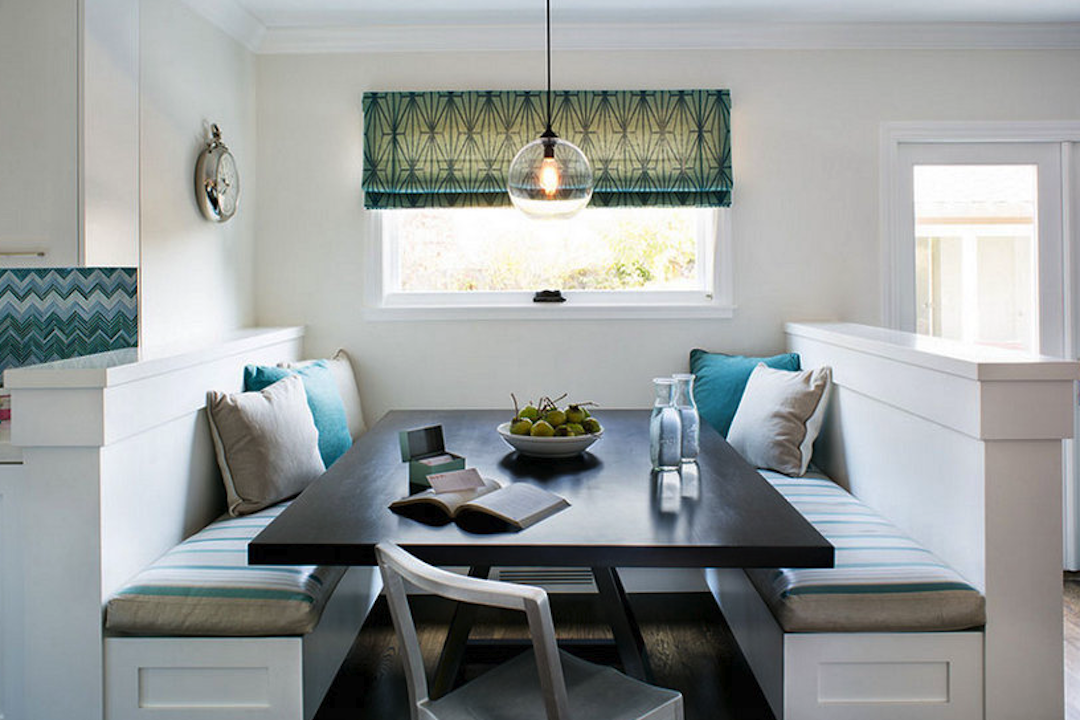
A compact pendant lamp can serve a functional and aesthetic purpose in a breakfast nook. Understanding its potential involves examining its design, functionality, and integration into the space. This article will explore these aspects in detail, providing a comprehensive overview for those considering such a lighting solution.
The form factor of a compact pendant lamp Mezohome is a primary determinant of its suitability for a breakfast nook. Unlike larger chandeliers or statement fixtures, these lamps are designed to be understated, their presence felt more through illumination than visual dominance.
Size and Scale
The “compact” nature of these lamps is crucial. A breakfast nook, often a smaller, intimate area of a home, can be easily overwhelmed by oversized lighting. A compact pendant lamp, measured in inches rather than feet, occupies minimal visual real estate. This scale ensures that the lamp enhances, rather than detracts from, the overall balance of the space. Consider the dimensions of your breakfast table and the ceiling height. A lamp that is too large might feel like a boulder hanging over a pebble, while one too small might be lost, offering little in the way of focused light or visual interest. The goal is a harmonious relationship between the lamp and its surroundings.
Form and Silhouette
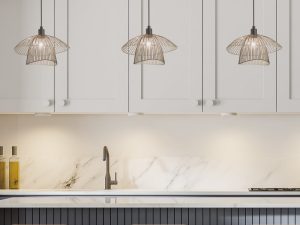
The silhouette of a compact pendant lamp can range from simple geometric shapes like spheres, cylinders, and cones, to more intricate designs. However, even elaborate designs often maintain a petite profile. The perceived weight of the lamp, influenced by its shape and material, is also a factor. A sleek, minimalist design in a metallic finish might appear lighter than a similar-sized lamp with heavier detailing or in a darker material. The choice of silhouette can subtly influence the mood of the breakfast nook. A rounded shape can convey softness and approachability, while a more angular design might lend a modern, sharp aesthetic. Think of the lamp as a punctuation mark in the design sentence of your nook.
Materiality
The materials used in a compact pendant lamp contribute significantly to its aesthetic and the quality of light it emits. Common materials include:
Glass
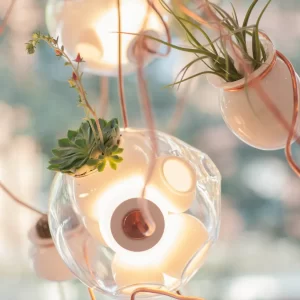
Glass offers a range of possibilities. Clear glass allows light to pass through unimpeded, creating a bright, airy feel. Frosted or opal glass diffuses light, producing a softer, more ambient glow, which can be desirable for a dining area. Colored glass can add a specific hue to the illumination, though this is less common in purely functional compact pendant lamps. Consider the cleaning aspect; glass surfaces can show fingerprints and dust, requiring regular maintenance.
Metal
Metals like brushed nickel, polished chrome, brass, or matte black are frequently employed. These materials offer durability and can contribute to a specific design style. A brushed nickel finish might suit a contemporary setting, while brass can evoke a more traditional or art deco ambiance. The reflectivity of the metal, whether polished or matte, will also influence how light bounces around the space. A polished surface can act as a secondary light reflector, while a matte surface will absorb more light.
Other Materials
Some compact pendant lamps incorporate materials like wood, ceramic, or even fabric-like shades. Wood can introduce warmth and a natural element, pairing well with rustic or Scandinavian-inspired decor. Ceramic can offer a textured, artisanal feel. These materials can add a unique tactile quality to the lamp, making it more than just a light source.
Functional Aspects
Beyond its appearance, a compact pendant lamp’s functionality is paramount in a breakfast nook. The area is typically used for meals, conversation, and sometimes as a workspace, all of which require appropriate illumination.
Light Distribution
The way a compact pendant lamp distributes light is arguably its most critical function. Depending on the design, these lamps can provide:
Task Lighting
Many compact pendant lamps are designed to direct light downwards. This focused beam is ideal for illuminating the breakfast table, making it easier to read menus, cut food, or engage in activities on the table surface. The intensity and spread of this downward light will vary based on the shade’s design and the bulb type. A wide, cone-shaped shade will cast a broader pool of light than a narrow, cylindrical one.
Ambient Lighting
While primarily task-oriented, some compact pendant lamps can also contribute to ambient lighting. This is achieved through indirect illumination, where light bounces off the ceiling or walls, or through diffused light from frosted shades. The overall brightness of the nook can be adjusted by the combined effect of the pendant lamp and other light sources. It is important to consider how the pendant lamp will integrate with existing lighting, if any, to avoid harsh shadows or an overwhelming brightness.
Dimmability
The inclusion of a dimmable feature significantly enhances the utility of a compact pendant lamp. A breakfast nook can serve multiple purposes throughout the day. In the morning, bright light might be desired for alertness and visibility. In the evening, for a more relaxed meal or conversation, a dimmer allows for a softer, more intimate glow. This adaptability makes a dimmable pendant lamp a versatile choice. Ensure the chosen lamp and bulb are compatible with a dimmer switch.
Bulb Type and Efficiency
The type of bulb used in a compact pendant lamp impacts both its illumination quality and energy consumption.
LED Technology
Light Emitting Diode (LED) bulbs are a popular choice due to their energy efficiency and longevity. They produce less heat than traditional incandescent bulbs, which can be advantageous in a smaller space. LEDs also come in a variety of color temperatures, allowing you to select a “warm white” that mimics natural daylight or a “cool white” for a crisper feel. The Kelvin (K) rating indicates the color temperature; a rating around 2700K to 3000K is generally considered warm white, suitable for dining areas.
Halogen and Incandescent (Less Common)
While less energy-efficient and generating more heat, some vintage or decorative compact pendant lamps might still use halogen or incandescent bulbs. These are generally being phased out in favor of LED technology due to environmental and cost considerations. If using these types, be mindful of heat output and bulb replacement frequency.
Cord and Chain Length
The adjustability of the cord or chain is a crucial functional element. This allows for precise positioning of the lamp above the breakfast table, ensuring optimal light distribution and head clearance. The typical recommendation for pendant lamp height above a dining table is between 30 and 36 inches. However, this can vary based on ceiling height and personal preference. A lamp with an easily adjustable cord or chain provides flexibility for fine-tuning the lighting. The material of the cord (e.g., fabric-covered, metal chain) also contributes to the overall aesthetic.
Integration into the Breakfast Nook
The successful implementation of a compact pendant lamp in a breakfast nook involves more than just hanging it. It requires thoughtful integration with the existing decor and the overall function of the space.
Harmony with Table and Chairs
The pendant lamp should complement the style and scale of the breakfast table and chairs. A rustic wooden table, for instance, might be well-served by a pendant lamp with natural wood accents or a matte metal finish. A sleek, modern table might benefit from a minimalist metal or glass pendant. Avoid creating a visual clash; the lamp should feel like an intentional addition, not an afterthought. Consider the overall weight and visual bulk of these elements. A heavy, ornate pendant can overwhelm a delicate table, just as a flimsy lamp can look out of place above a substantial piece of furniture.
Ceiling and Wall Color
The color of the ceiling and walls can influence the perceived brightness and impact of the pendant lamp. A dark ceiling can make a light-colored lamp appear more prominent, while a light ceiling can help a darker lamp blend in. Similarly, wall colors can be enhanced or diminished by the lamp’s illumination. Consider how the light cast by the pendant lamp will interact with the dominant colors in the nook.
Room Size and Proportions
As mentioned, the size of the nook itself is a primary consideration. A compact pendant lamp is an excellent choice for smaller nooks where a larger fixture would dominate. In larger breakfast areas, a single compact pendant lamp might serve as an accent, perhaps supplemented by other lighting sources, or a cluster of several compact pendants could be used to create a more impactful statement. The proportion of the lamp to the overall dimensions of the room is key to visual harmony.
Lighting Design Principles for Breakfast Nooks
Applying fundamental lighting design principles ensures a compact pendant lamp functions optimally within a breakfast nook.
Layered Lighting
Effective lighting design often involves layering different light sources. A compact pendant lamp typically provides task lighting, but it should be considered as part of a broader lighting scheme.
Ambient Layer
This layer provides the general illumination for the room. It could come from natural light during the day, ceiling lights, or wall sconces. The pendant lamp should harmonize with this ambient layer, either by supplementing it with its own ambient contribution or by providing a focused counterpoint.
Task Layer
This is where the compact pendant lamp excels. Its primary role is to illuminate the eating surface. The intensity and beam spread of the task lighting should be adequate for all expected activities at the table.
Accent Layer
While less common in a breakfast nook, an accent layer could highlight artwork or architectural features. If present, the pendant lamp’s light should not compete with or detract from these accent features.
Avoiding Glare
Glare occurs when light is excessively bright or shines directly into the eyes. For a breakfast nook, this can be particularly disruptive during meals.
Shade Design
The design of the pendant lamp’s shade plays a crucial role in controlling glare. Opaque shades direct light downwards, while shades with a diffuser prevent direct exposure to the bulb. Even with downward-facing light, the angle of the shade should ensure that light does not spill upwards and cause discomfort. For instance, a shallow, bell-shaped shade will direct light more directly than a wider, flatter shade.
Bulb Placement
The position of the bulb within the shade is also important. A bulb that sits too low within a shade can still cause glare. Manufacturers often design shades with bulbs recessed higher to mitigate this.
Color Rendering Index (CRI)
The Color Rendering Index (CRI) measures how accurately a light source reveals the true colors of objects. For a breakfast nook, good color rendering is important for appreciating the appearance of food. Aim for bulbs with a CRI of 80 or higher. A higher CRI will ensure that the colors of your breakfast – the vibrant red of a strawberry or the golden hue of toast – are accurately represented.
Maintenance and Practicalities
The ongoing upkeep of a compact pendant lamp is a straightforward consideration.
Cleaning
Regular cleaning is necessary to maintain the lamp’s appearance and illumination quality. Dust and grease can accumulate on the shade and the bulb, diminishing the light output and affecting the aesthetic. The frequency of cleaning will depend on the environment; a kitchen, for example, might require more frequent attention than a dining room.
Surface Cleaning
Most glass, metal, and plastic shades can be cleaned with a soft, damp cloth. For tougher grime, a mild soap solution might be necessary. Always ensure the lamp is turned off and cool before cleaning.
Bulb Replacement
When using LED bulbs, replacement is infrequent. However, when a bulb does need to be changed, ensure you use the correct wattage and type as specified by the manufacturer. Always unplug the lamp before attempting to replace a bulb.
Safety Standards and Installation
When selecting and installing a compact pendant lamp, adherence to safety standards is essential.
Electrical Safety
Ensure the lamp is certified by a recognized safety organization (e.g., UL in North America, CE in Europe). Proper installation by a qualified electrician is recommended, especially if you are not familiar with electrical wiring. Incorrect installation can be a fire hazard.
Secure Mounting
The pendant lamp must be securely mounted to the ceiling. The weight of the lamp, along with any vibrations, should not compromise its stability. The junction box in the ceiling must be rated to support the weight of the fixture. This is a fundamental structural consideration.
Cost and Value
The cost of compact pendant lamps can vary widely, from budget-friendly options to designer pieces. The value proposition lies in a combination of durability, aesthetic appeal, and functional performance. Consider the lifespan of the bulb, the quality of materials, and the overall design when evaluating the cost. A well-chosen compact pendant lamp offers a long-term improvement to the breakfast nook’s atmosphere and utility.
In conclusion, a compact pendant lamp can be a highly effective lighting solution for a breakfast nook, offering a blend of focused illumination and unobtrusive style. By carefully considering its size, shape, materials, and functional attributes in relation to the specific needs and aesthetic of your breakfast nook, you can select a fixture that enhances both the practicality and ambiance of this important household space.