
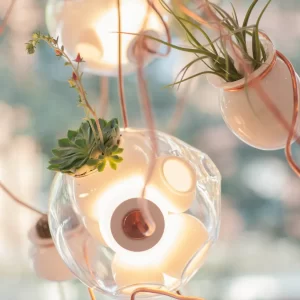

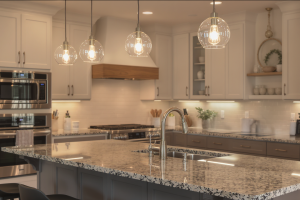


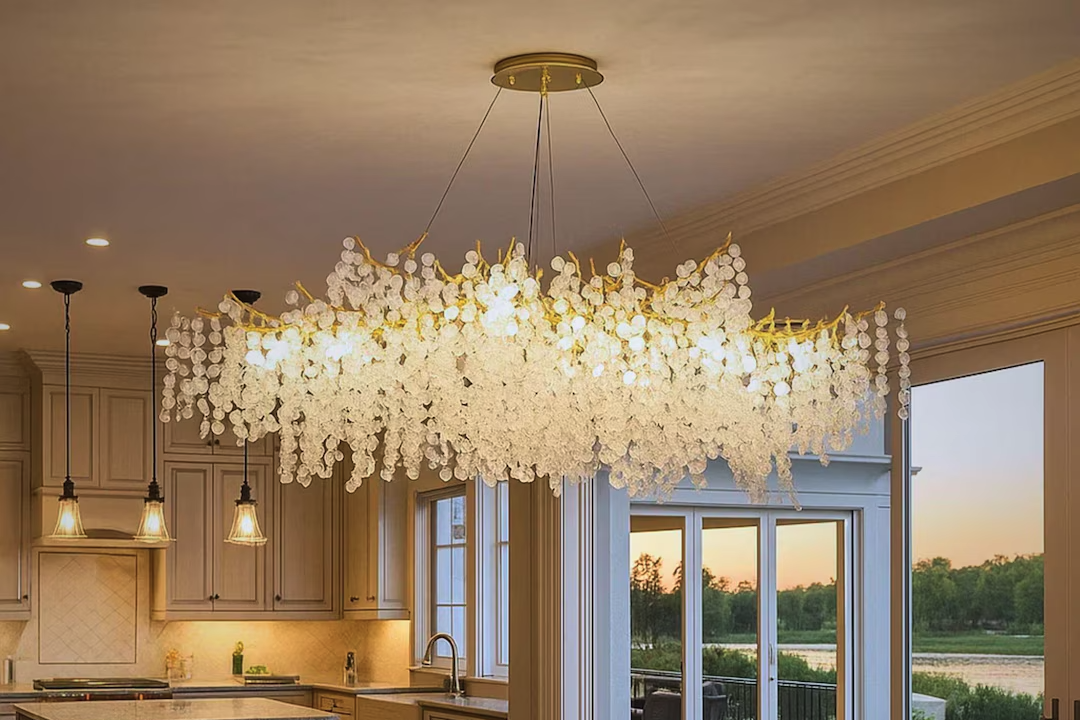
The term “modern elegance,” when applied to a chandelier, often brings to mind the understated sophistication of a glass shade branch chandelier. These fixtures perfectly blend contemporary design with timeless aesthetics, offering a refined lighting solution that elevates any space without being ostentatious. Essentially, a glass shade branch chandelier is a multi-arm lighting fixture, designed to mimic the organic form of tree branches, with each “branch” culminating in a glass shade that diffuses light. It’s an evolution from traditional, heavy chandeliers, opting for lighter materials and cleaner lines, making it a natural fit for both modern and transitional interiors.
It’s easy to think of a chandelier solely as a light Zouille source. But a glass shade branch chandelier goes well beyond that, offering a distinct aesthetic and practical advantages that set it apart.
Crafting an Atmosphere
The right lighting changes everything. A branch chandelier, with its multiple light sources and diffused glow, doesn’t just illuminate; it sculpts the mood of a room. Imagine a space bathed in a soft, even light, free from harsh shadows – that’s the kind of ambiance these chandeliers are designed to create. They soften the edges of a room, making it feel more inviting and comfortable.
A Sculptural Statement
Forget clunky, ornate fixtures. The beauty of a modern branch chandelier lies in its graceful, often minimalist, form. It’s an art piece as much as it is a light fixture. The “branches” can be sleek and linear, or more organic and whimsical, but in all cases, they add visual interest and a focal point to the room, even when unlit. It’s a way to inject personality and sophistication without overwhelming the existing decor.
Adaptability in Design
One of the great strengths of this style of chandelier is its ability to blend seamlessly with various interior design themes. While “modern elegance” is its core, its adaptability means it can feel right at home in a multitude of settings.
From Minimalist to Eclectic
For a minimalist space, a simple, understated branch chandelier with clear glass shades and clean lines will enhance the uncluttered aesthetic without adding visual noise. In a more eclectic setting, a chandelier with a unique branch configuration or colored glass shades can become a quirky, yet sophisticated, anchor.
Bridging Transitional Gaps
If your home blends traditional and contemporary elements, a glass shade branch chandelier can act as a perfect bridge. Its classic form (the chandelier) meets modern materials and simplified design, creating a harmonious link between different styles.
Deciphering the Design: Key Elements
While the overall concept is consistent, there’s a surprising amount of variation within the “glass shade branch chandelier” category. Understanding these elements helps in making an informed choice.
The Branching Structure
This is the defining characteristic. The way the “branches” extend from the central stem or canopy dictates much of the chandelier’s character.
Linear and Geometric
Some designs prioritize clean lines and geometric symmetry. Branches might extend horizontally in a precise, staggered pattern, or vertically with a deliberate, architectural feel. These are often made from metal – steel, brass, or aluminum – in finishes like matte black, polished chrome, or brushed gold. This style speaks to a very contemporary, often industrial-chic, aesthetic.
Organic and Asymmetrical
Other designs embrace a more natural, tree-like appearance. Branches might curve gently, spread unevenly, or cluster in a less structured manner. These can evoke a sense of natural beauty and bring a softer, more whimsical touch to a room. Sometimes, these designs cleverly hide wiring within the “branches” for an even more seamless look.
The Glass Shades
The glass shades are crucial for both aesthetics and light diffusion. Their shape, color, and finish significantly impact the fixture’s overall appeal and the quality of light it produces.
Form and Function
Common shapes include globes, cylinders, cones, and even more abstract, organic forms. Spherical shades, often referred to as “sputnik” styles when densely clustered, provide a classic mid-century modern touch. Cylindrical or conical shades offer a more focused downlight, while larger, open globes diffuse light more broadly.
Transparency and Diffusion
- Clear Glass: Offers maximum brightness and allows the bulb (often a decorative filament bulb) to be a visual element. It provides a crisp, direct light.
- Frosted/Opal Glass: Diffuses light beautifully, creating a softer, more uniform glow that reduces glare. This is excellent for creating a warm, inviting atmosphere.
- Smoked/Tinted Glass: Adds a layer of sophistication and can lend a moody, dramatic effect. It reduces overall light output but can be stunning for ambiance in specific settings.
Material Quality
High-quality glass shades are often hand-blown, which you can sometimes identify by small natural variations. They should be free from imperfections like bubbles or streaks, and feel substantial. The edges should be smooth and finished.
Finishes and Materials
The metal components – the branches, canopy, and hardware – play a significant role in the chandelier’s overall style.
Metals That Matter
- Brass (Brushed or Polished): A timeless and versatile choice, brass adds warmth and a touch of vintage elegance. Brushed brass is softer and less reflective, while polished brass gleams and makes a statement.
- Black (Matte or Satin): Modern, bold, and pairs well with almost any color scheme. Matte black is particularly popular in minimalist and industrial-inspired designs.
- Chrome/Nickel (Polished or Brushed): Offers a sleek, contemporary look. Polished chrome is highly reflective, while brushed nickel provides a softer, more subtle sheen.
- Bronze (Oil-Rubbed or Aged): Delivers a rich, earthy, and sometimes rustic appeal. Often used to emulate a more traditional or transitional aesthetic.
Beyond Metal
Some modern branch chandeliers incorporate other materials. Wood elements can add warmth and a natural, Scandinavian feel. Minimalist designs might even feature very thin, almost invisible wires for the branches, putting the focus entirely on the illuminated glass.
Practical Considerations for Installation
Choosing the right chandelier isn’t just about aesthetics; it’s about functionality and safety.
Sizing It Up
This is where many people go wrong. An undersized chandelier will look lost, and an oversized one will overwhelm the space.
Room Dimensions
A good rule of thumb for chandeliers in open spaces (like living rooms or large entryways) is to add the length and width of the room in feet, then use that sum as the ideal diameter of the chandelier in inches. For example, a 10’x12’ room (22 feet total) would suit a chandelier around 22 inches in diameter.
Table Placement
If it’s going over a dining table, the chandelier should be approximately half to two-thirds the width of the table. This ensures it looks balanced and doesn’t impede conversation or sightlines across the table.
Hanging Height: The Sweet Spot
Incorrect hanging height can ruin the look and functionality of even the most beautiful chandelier.
Dining Areas
Over a dining table, the bottom of the chandelier should typically be 30-36 inches above the tabletop. This prevents it from blocking views while still providing ample light.
Open Areas/Entryways
In entryways or open living spaces, allow at least 7 feet of clearance from the floor to the bottom of the fixture. This ensures people can walk underneath without bumping their heads or feeling crowded. High ceilings can accommodate lower hanging heights, making the fixture a more prominent feature.
Bulb Choices: More Than Just Brightness
The type of bulb you use can dramatically alter the light quality and energy efficiency of your chandelier.
LED: The Modern Standard
LED bulbs are the recommendation for most modern light fixtures. They are energy-efficient, long-lasting, and come in a wide range of color temperatures and brightness levels. Look for dimmable LEDs if you want to control the ambiance. Many contemporary designs are specifically built around smaller LED clusters or integrated LED modules within the shades.
Edison-Style Filaments: For Vintage Charm
If your glass shades are clear, Edison-style filament bulbs (now often available as LED versions) can add a beautiful, warm, vintage aesthetic. Their visible filaments become part of the design.
Color Temperature Matters
- Warm White (2700K-3000K): Creates a cozy, inviting, and slightly yellowish glow, much like traditional incandescent bulbs. Ideal for living rooms, bedrooms, and dining areas.
- Cool White (3500K-4000K): A brighter, more neutral white that’s good for task lighting or areas where you want a cleaner, crisper look, like a kitchen or home office. However, for an elegant chandelier, warm white is generally preferred for ambiance.
Styling Your Glass Shade Branch Chandelier
Once installed, how do you make it truly shine within your home?
The Focal Point Strategy
Let the chandelier be the star. Design the rest of the room to complement, not compete with, its elegant form. This doesn’t mean everything else has to be bland, but rather that other elements should support its presence.
Minimalist Furnishings
In a minimalist setting, the chandelier can truly stand out against simple furniture, neutral color palettes, and uncluttered surfaces. Its sculptural quality becomes even more apparent.
Complementary Colors and Textures
Match the metal finish of the chandelier to other hardware in the room (door handles, cabinet pulls) for a cohesive look. Choose upholstery or decorative items that pick up on the tones of the chandelier or create a beautiful contrast. For example, a black chandelier against a light-colored wall with similar black accents elsewhere.
Placement Matters
Beyond the main hanging height, consider the precise location.
Dining Room Drama
Centered perfectly over a dining table, it ensures even illumination for meals and lively conversations. The reflection of the glass shades on the table’s surface can add another layer of visual interest.
Entryway Grandeur
In an entryway, it creates a powerful first impression, guiding guests into your home with a welcoming glow. If your entryway is two stories, a cascading branch chandelier can be particularly impactful.
Living Room Luster
In a living room, it can define a seating area or simply float as an exquisite piece of art, providing ambient light without the need for multiple floor lamps. If your living room is open plan, consider how the chandelier relates to the different zones within the space.
Maintenance: Keeping the Sparkle
Modern elegance doesn’t typically mean high maintenance, but a few simple steps will keep your glass shade branch chandelier looking its best.
Regular Dusting
The most basic, yet most important, step. Use a feather duster or an electrostatic duster to gently remove dust from the shades and metal branches at least once a month. This prevents dust buildup that can dull the light and the fixture’s appearance.
Gentle Cleaning
For a deeper clean, especially if the glass shades appear cloudy or have fingerprints:
Glass Shades
Turn off the power to the fixture before beginning. Remove shades if easily detachable and designed to be removed. Wash them gently with warm soapy water (a few drops of mild dish soap are fine). Rinse thoroughly and dry with a lint-free cloth or allow to air dry completely. For non-removable shades, use a spray-on glass cleaner applied to a microfiber cloth (never spray directly onto the fixture, as liquid can seep into electrical components).
Use a soft, dry microfiber cloth to wipe down metal branches. For stubborn smudges, a slightly damp cloth with plain water, followed by a dry cloth, is usually sufficient. Avoid abrasive cleaners or harsh chemicals, especially on plated or specialty finishes, as they can damage the surface.
Bulb Replacement
Always turn off the power at the circuit breaker before replacing bulbs. Ensure you use bulbs of the correct wattage and type specified by the manufacturer. If you’re switching to LEDs, check for compatibility with any dimmers you have installed.
By understanding these aspects, from design nuances to practical installation, you can confidently choose a glass shade branch chandelier that not only illuminates your home but also elevates its modern elegance for years to come.