



So, you’re looking to create that perfect little nook for your evening reading sessions, the kind where you can just sink into a chair and get lost in a book without your eyes protesting? Lighting is absolutely key to that cozy library corner vibe, and it’s not as complicated as you might think. Essentially, the best lighting for evening reading is warm, adjustable, and focused enough to illuminate your book without glaring or straining your eyes. We’re talking about creating a comfortable atmosphere that signals to your brain it’s time to unwind and dive into another world. Forget harsh overhead lights; we’re going for a more intimate and inviting glow.
Let’s be honest, we’ve all been there. You’re curled up with a great book, the house is quiet, but suddenly, your eyes start to feel like sandpaper. Or maybe you’re squinting so hard you’re practically reciting the words aloud to yourself. This is where good lighting steps in, and it’s more than just about seeing the words on the page.
Reducing Eye Strain
This is the big one. When you’re reading in dim or poorly lit conditions, your pupils dilate to let in more light. This constant effort puts a strain on your eye muscles, leading to fatigue, headaches, and general discomfort. Proper lighting ensures your eyes don’t have to work overtime.
Enhancing Ambiance and Coziness
Lighting is a powerful mood setter. Harsh, bright lights can feel clinical and energizing, which is the opposite of what you want for relaxation. Warm, soft light, on the other hand, creates a sense of comfort and intimacy, making your reading corner a truly inviting retreat. It’s about creating that “hygge” feeling we all crave.
Improving Focus and Immersion
When the lighting is just right, it helps you concentrate on the text. Distracting shadows or excessive glare can pull your attention away from your book. A well-lit reading area allows you to fully immerse yourself in the story, making the experience more enjoyable and less interrupted.
Preventing Sleep Disturbances
The type of light we’re exposed to in the evening can impact our sleep patterns. Bright, cool-toned lights, especially those with a high blue light content, can trick your brain into thinking it’s daytime, suppressing melatonin production. Warm, dimmer lighting is much more conducive to winding down.
Types of Lighting to Consider
When it comes to illuminating your cozy corner, you’re not limited to just one option. A layered approach often works best, combining different types of light to achieve the perfect balance.
Task Lighting: The Workhorse
Task lighting is all about directing light precisely where you need it – your book! This is usually the primary light source for reading.
Floor Lamps
These are classic for a reason. A good floor lamp can be positioned next to your chair, offering an adjustable height and often a flexible head, so you can direct the light perfectly onto your book.
With an Adjustable Arm and Head
This feature is non-negotiable for optimal reading. You want to be able to move the light source closer or further away, and angle it to avoid shadows cast by your head or body.
With a Frosted Shade or Diffuser
Direct, harsh light from a bare bulb can be incredibly uncomfortable. A frosted shade or diffuser softens the light, spreading it more evenly and reducing glare.
LED vs. Incandescent Bulbs
LEDs are the modern go-to. They’re energy-efficient, long-lasting, and come in a wide range of color temperatures (we’ll get to that!). Incandescent bulbs produce a warm, pleasant light but are less efficient and burn out faster.
Table Lamps
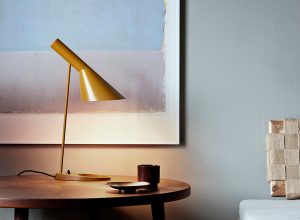
Perfect for side tables next to your reading chair or sofa. Similar to floor lamps, look for adjustable features and diffused light.
Small and Compact Designs
If space is limited, a smaller table lamp can still provide ample light without overwhelming the area.
Decorative Options
Table lamps can also be a style statement. Choose one that complements your décor and adds to the overall cozy aesthetic.
Ambient Lighting: Setting the Mood
While task lighting focuses on your book, ambient lighting provides a softer, overall glow for the space. This isn’t about reading, but about creating that warm, inviting atmosphere.
Dimmers
This is your best friend for controlling the intensity of light. Installing a dimmer on an existing lamp or overhead fixture allows you to adjust the brightness as needed, from a soft glow for relaxation to a slightly brighter light for general ambiance.
Wall Dimmers
These are integrated into your home’s wiring and control an entire circuit. Great for overhead lights or multiple lamps on one switch.
In-Line Dimmers
These are installed directly on the lamp cord, offering a simple and affordable way to add dimming capabilities to almost any lamp.
String Lights (Fairy Lights)
These can add a whimsical and magical touch. Drape them around bookshelves, windows, or even a cozy canopy.
Warm White vs. Cool White
For a cozy library feel, always opt for warm white string lights. Cool white can feel too stark and modern.
Battery-Operated vs. Plug-In
Battery-operated ones offer more flexibility in placement, while plug-in options provide consistent light without worrying about battery life.
Accent Lighting: Adding Depth and Interest
Accent lighting is more about highlighting specific features of your reading nook, adding visual interest and depth.
Small Spotlights or Picture Lights
If you have artwork or interesting architectural features in your reading area, a small spotlight can draw attention to them.
Backlighting Shelves
Placing small LED strips behind bookshelves can create a beautiful glow that highlights your book collection and adds a sophisticated touch.
Choosing the Right Bulb: Color Temperature and Brightness
This is where the magic really happens. The type of light bulb you choose has a huge impact on the feel of your reading corner.
Color Temperature (Kelvin)
Color temperature describes the warmth or coolness of light. It’s measured in Kelvin (K).
Warm White (2700K – 3000K)
This is the sweet spot for cozy reading. It mimics the warm glow of a traditional incandescent bulb or candlelight, promoting relaxation and comfort. It’s less likely to disrupt your natural sleep cycle.
Neutral White (3500K – 4000K)
This is a more balanced light, good for general use but can sometimes feel a bit too bright or less cozy for dedicated reading.
Cool White/Daylight (5000K+)
These lights are bright and energizing, more akin to natural daylight. They are great for tasks requiring sharp focus (like in a kitchen or office) but are generally not ideal for creating a relaxing reading atmosphere in the evening.
Brightness (Lumens)
Lumens measure the total amount of light emitted by a bulb. While task lighting for reading doesn’t need to be incredibly bright, you do need enough to see clearly.
Finding the Balance
For a reading lamp, you’re probably looking at bulbs in the range of 400-800 lumens. Too few, and you’ll be squinting; too many, and it can feel harsh. Dimmable bulbs give you the best control here.
Wattage (for traditional bulbs)
If you’re using older incandescent bulbs, wattage is what you’ll see. A 60-watt bulb used to be standard for lamps, but with LEDs, you can get similar brightness with much lower wattages (around 8-12 watts for an LED equivalent).
Placement is Everything: Arranging Your Lights
Just having the right lights isn’t enough; how you position them makes a world of difference.
Avoiding Glare on the Page
This is paramount. You want the light to fall directly on your book, not bounce off the page and into your eyes. Experiment with different angles and heights.
Minimizing Shadows
A common problem is your own body casting a shadow on your book. Position your light source so it illuminates the page from the side or slightly in front, rather than directly behind you.
Layering Light Sources
As mentioned before, don’t rely on a single light. Combine a good task lamp with some soft ambient lighting (like a dimmer on an overhead light or a decorative string light) for a truly enveloping experience.
Considering the Room’s Layout
Think about the overall flow of your reading corner. Where will you be sitting? Where are the power outlets? Does the lighting enhance the natural light during the day, or is it solely for evening use?
Smart Lighting and Other Considerations
Technology has brought some interesting options to the table, and there are a few extra touches that can elevate your cozy corner.
Smart Bulbs and Fixtures
These allow you to control brightness, color temperature, and even set schedules from your smartphone or smart home assistant.
Customizing Scenes
You can create a “reading scene” that automatically sets your lights to the perfect warm temperature and brightness.
Voice Control
“Hey Google, dim the reading lamp to 50%” can be surprisingly convenient when your hands are full with a mug of tea and a book.
Scheduling Options
Set your lights to turn on automatically as dusk approaches or to dim gradually as you wind down for bed.
Using Natural Light Creatively
While this article focuses on evening lighting, don’t forget how natural light can complement your space.
Positioning Your Corner Near a Window
If possible, set up your reading nook near a window. This allows for beautiful natural light during the day.
Softening Bright Sunlight
During the day, sheer curtains can diffuse harsh sunlight, making it more comfortable for reading.
The Impact of Color on Lighting
The color of your walls and furnishings can also affect how light appears. Lighter colors reflect more light, making a space feel brighter. Darker colors absorb light, which can enhance the cozy, intimate feel of a reading corner.
Maintenance and Bulb Longevity
Keep your lamps and bulbs clean. Dust can dim the light output. For LEDs, longevity is a major advantage, meaning fewer bulb changes.
Safety First
Ensure all your lighting is safely installed and that cords are not trip hazards. Always use bulbs with the correct wattage for your fixtures to prevent overheating.
Creating the ideal cozy library corner lighting is a process of thoughtful selection and strategic placement. It’s not just about finding a lamp; it’s about curating an experience. By focusing on warm color temperatures, adjustable brightness, and smart positioning, you can transform any spot into a haven for literary exploration and relaxation. Experiment, adjust, and most importantly, enjoy the process of creating your perfect reading sanctuary.