
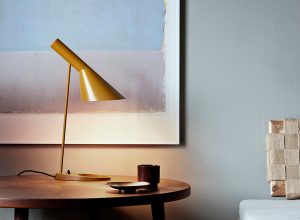


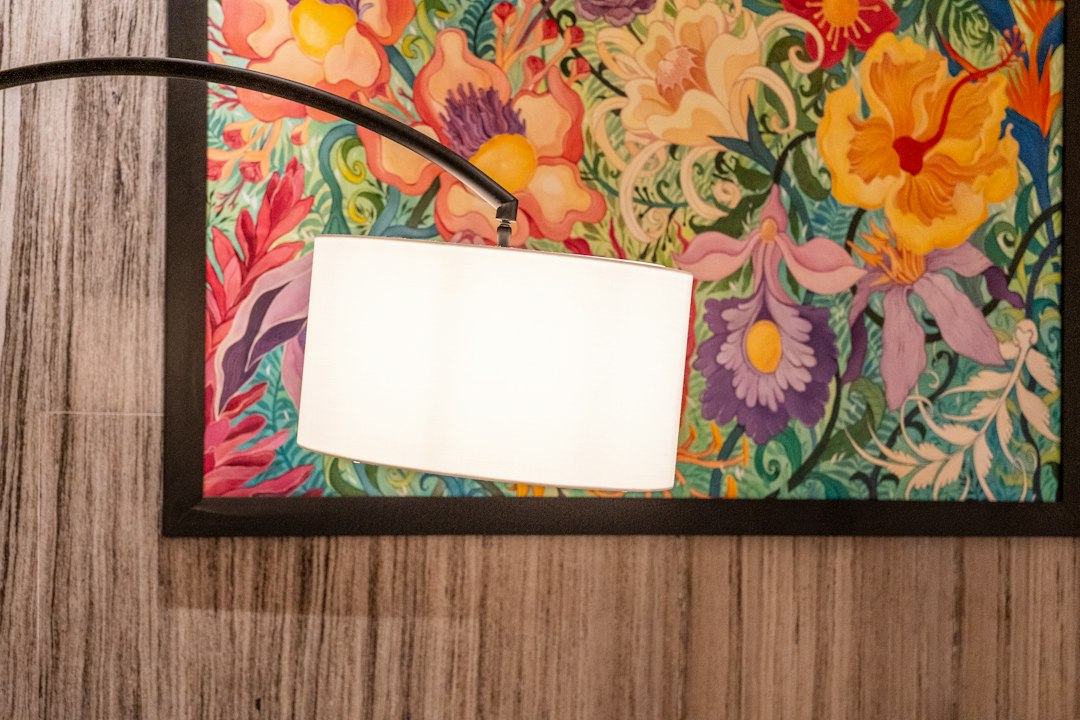
Your gallery wall is calling for something special, and an eye-caring sculptural desk lamp can be just the ticket. It’s not just about shedding light; it’s about adding a unique artistic element that complements your artwork, providing focused illumination for tasks, and protecting your eyes all at once. Think of it as a functional piece of art that elevates the entire aesthetic of your space.
Blending Form and Function: The Core Idea
The beauty of an eye-caring sculptural desk lamp, especially for a gallery wall, lies in its ability to seamlessly merge practical lighting needs with artistic expression. We’re not talking about your average, run-of-the-mill desk lamp here. These lamps are designed to be noticed, to contribute to the visual story of your room, rather than just blend into the background.
What Makes a Lamp “Sculptural”?
A lamp earns its “sculptural” title when its design transcends mere utility. It’s about intentional aesthetics, unique materials, and a form that evokes a sense of artistry. This could mean anything from organic, flowing shapes to sharp, geometric constructions, or even lamps that incorporate unexpected textures and finishes. Imagine a lamp where the base isn’t just a stand, but a crafted piece resembling abstract art, or a lamp with an arm that bends and twists in an intriguing, non-traditional way. The key is that the lamp itself is a conversation starter, a visual anchor, and an object of beauty even when unlit. It’s a piece you’d admire in a gallery, not just in a catalog.
Understanding “Eye-Caring” Illumination
The “eye-caring” aspect is crucial, particularly if you’ll be spending time reading, working, or simply admiring your gallery wall in its glow. This isn’t just marketing jargon; it refers to specific lighting qualities designed to minimize eye strain and fatigue.
Flicker-Free Lighting
One of the main culprits of eye strain is flicker. While often imperceptible to the naked eye, rapid fluctuations in light intensity can cause discomfort and headaches over time. Eye-caring lamps employ advanced LED technology and power drivers to deliver a constant, steady stream of light, eliminating these subtle flickers. This means your eyes don’t have to work harder to adjust to constant micro-changes in brightness, leading to a much more comfortable experience during prolonged use.
Optimal Color Temperature
The color temperature of light, measured in Kelvin (K), significantly impacts how our eyes perceive and react to illumination. Eye-caring lamps often offer adjustable color temperatures or are calibrated to provide a range suitable for different tasks. Cooler temperatures (around 5000K-6500K, like natural daylight) are excellent for concentration and detail-oriented work, while warmer temperatures (around 2700K-3500K) promote relaxation and can create a cozy atmosphere. The best eye-caring lamps allow you to switch between these, so you can choose what feels most comfortable and appropriate for the moment.
Glare Reduction
Glare, whether direct from the light source or reflected off surfaces, can be incredibly irritating and detrimental to eye health. Eye-caring lamps often incorporate features like diffusers, anti-glare filters, and strategic light positioning to minimize glare. The light is typically distributed more evenly, preventing harsh bright spots that can cause discomfort. This is particularly important when illuminating a gallery wall, as you don’t want the lamp to create distracting reflections on your artwork’s frames or protective glass.
High Color Rendering Index (CRI)
A high Color Rendering Index (CRI) means the light source accurately reveals the true colors of objects. For a gallery wall, this is paramount. You want your artwork to look as vibrant and authentic as possible. Eye-caring lamps typically boast a CRI of 90 or higher, ensuring that the reds are truly red, the blues are truly blue, and the intricate details and nuances of your art are faithfully represented, not washed out or distorted by poor lighting.
Strategic Placement for Maximum Impact
Where you put your sculptural desk lamp in relation to your gallery wall is just as important as the lamp itself. It’s not just about finding an empty spot; it’s about enhancing the overall visual narrative.
On a Nearby Side Table or Console
This is often the most straightforward and effective placement. A side table or console table positioned near or even slightly in front of your gallery wall offers a perfect stage for your sculptural lamp. The lamp then acts as an accent, casting light onto a portion of the wall, highlighting specific pieces, or providing ambient illumination for the entire arrangement. This allows the lamp to be a distinct object of interest while still contributing to the overall display. Consider the height of the table and the lamp to ensure the light source is at a comfortable level, not too high or too low, especially if you’ll be sitting nearby.
Integrated Within a Desk Setup
If your gallery wall is part of a home office or creative workspace, incorporating the lamp directly onto your desk is a natural fit. Here, the lamp serves a dual purpose: providing essential task lighting for your work and acting as a sculptural element that elevates the aesthetic of your workspace, which in turn integrates seamlessly with the adjacent gallery wall. The key is to ensure the lamp’s design complements both your work environment and the art pieces. A minimalist, geometric lamp might work well in a modern office, while an organic, wood-based design could suit a more bohemian or natural aesthetic.
As an Anchor for a Specific Artwork
Sometimes, you might want to use the lamp to draw specific attention to one particular piece within your gallery wall. This is where strategic angling and light direction come into play. Place the lamp on a small pedestal or table directly beneath or beside a standout artwork. The lamp’s light can then serve as a spotlight, making that piece pop and creating a focal point within the larger collection. This works particularly well for smaller, more intricate pieces, or those with textures you want to emphasize. The sculptural form of the lamp itself adds to the framing of the artwork.
Design Considerations: More Than Just Light
Choosing the right sculptural desk lamp involves looking beyond its illumination capabilities. Its design, materials, and overall aesthetic need to harmonize with your existing decor and, most importantly, with the art on your gallery wall.
Matching Aesthetic Themes
Think about the overarching style of your gallery wall and the room it inhabits. Is it minimalist and modern? Industrial? Bohemian? Eclectic? Your lamp should ideally align with this theme.
Modern and Minimalist
For a modern or minimalist space, look for lamps with clean lines, geometric shapes, and often a monochromatic palette (black, white, grey, or polished metals). Materials like brushed aluminum, sleek steel, or even minimalist concrete bases can work beautifully. The sculptural aspect here often comes from the elegant simplicity of the form itself, perhaps a delicate arc or a cantilevered design. Avoid ornate details; the beauty lies in understated elegance.
Industrial and Loft Style
Industrial aesthetics thrive on raw, honest materials. Consider lamps crafted from dark metals like wrought iron, steel, or brass with visible construction elements like rivets or exposed wiring (tastefully done, of course). Lamps that incorporate reclaimed wood or concrete can also fit this look. The sculptural quality might come from articulated arms, cog-like joints, or robust, functional designs that celebrate the beauty of engineering.
Bohemian and Organic
Bohemian or organic styles call for lamps with natural textures, flowing shapes, and earthy tones. Look for lamps made from wood (driftwood, bamboo, light oak), ceramics, woven fibers (like rattan or linen), or even glass with interesting patterns. The sculptural element here often evokes nature – branches, stones, or abstract organic forms. Hand-crafted pieces or those with unique, imperfect qualities would be a perfect fit.
Eclectic and Transitional
If your gallery wall is an eclectic mix, you have more freedom, but also a challenge. The lamp should either complement a dominant style within the eclectic mix or act as a bridge between different elements. A transitional lamp, which blends traditional and modern elements, can often work well. Alternatively, a lamp with a strong, unique sculptural form can act as an anchor, pulling disparate elements together through its distinct presence. The key is to find something that doesn’t clash but rather adds another layer of visual interest.
Materials and Finishes
The materials and finishes of your lamp contribute significantly to its sculptural quality and how it interacts with its environment.
Metals (Brass, Copper, Steel, Aluminum)
Metals offer versatility. Polished brass or copper can add warmth and a touch of vintage elegance, especially when allowed to develop a patina. Brushed steel or aluminum lends a contemporary, sleek look. Darkened or blackened metals are excellent for industrial or dramatic aesthetics. The way light reflects off metallic surfaces can also be a part of the lamp’s sculptural effect.
Wood
Wood brings natural warmth and texture. Lighter woods like maple or birch offer a Scandinavian feel, while darker woods like walnut or mahogany can be more traditional or luxurious. Live-edge wood bases can be particularly sculptural and unique, celebrating the inherent beauty of the material.
Ceramic and Stone
Ceramic bases, whether glazed and colorful or matte and earthy, can provide a handcrafted, artistic touch. Stone, like marble or granite, adds weight, gravitas, and a luxurious, timeless feel. These materials often give lamps a more substantial, sculptural presence.
Glass and Acrylic
Glass, especially hand-blown or textured varieties, can create beautiful light diffusion and add a delicate, ethereal quality. Acrylic or other plastics can be molded into innovative, futuristic, or colorful sculptural forms, offering a modern edge.
Scale and Proportion
Pay attention to the size of the lamp relative to its surroundings. A tiny lamp will get lost next to a large gallery wall, and an oversized lamp might overwhelm a small space or a delicate collection of art. Consider the height of the lamp, the spread of its light, and the footprint of its base. It should feel balanced with the furniture it sits on and the art it illuminates. If the lamp itself is particularly bold in its sculptural form, you might opt for a slightly more understated gallery wall arrangement around it, or vice versa, to ensure neither element competes too aggressively.
Beyond Aesthetics: Practical Features and Technology
While the sculptural aspect and eye-caring features are paramount, modern desk lamps offer a host of practical technologies that enhance usability and convenience.
Dimmability and Light Temperature Control
These are core eye-caring features but also offer immense practical benefits. The ability to dim the light allows you to adjust the brightness for different tasks or moods, from intense focus to soft ambient glow. Similarly, changing the color temperature (e.g., from cool white for working to warm white for relaxing) makes the lamp incredibly versatile. Many modern lamps offer stepless dimming and multiple color temperature options, often controlled via touch sensors or intuitive buttons.
USB Charging Ports
In today’s connected world, a built-in USB charging port (or multiple ports) on your desk lamp is a game-changer. It means one less adapter to plug into your wall, freeing up outlets and reducing cable clutter. You can easily charge your phone, tablet, or other small electronics right at your workspace, keeping them within reach while you work or relax. This simple feature significantly enhances the lamp’s functionality.
Flexible Goosenecks and Adjustable Arms
For a sculptural lamp that also serves a task lighting purpose, flexibility is key. Goosenecks, articulated arms, or swivel heads allow you to direct the light precisely where you need it. This is invaluable for illuminating different parts of your desk, focusing on a particular artwork on your wall, or simply adjusting for optimal comfort. The adjustability itself can also contribute to the sculptural dynamic, allowing you to change the lamp’s silhouette with ease.
Smart Home Integration
If you’re already invested in a smart home ecosystem (like Apple HomeKit, Google Assistant, or Amazon Alexa), consider a lamp that integrates with these platforms. This allows you to control the lamp with voice commands, schedule on/off times, or even link it with other smart devices (e.g., “turn on my reading lamp when I sit at my desk”). This adds a layer of convenience and sophistication, making the lamp a seamless part of your automated living space.
Energy Efficiency (LED Technology)
Virtually all modern eye-caring lamps utilize LED technology. This is not just about longevity (LEDs last significantly longer than incandescent or fluorescent bulbs) but also about energy efficiency. LEDs consume far less power, saving you money on electricity bills and reducing your environmental footprint. They also produce less heat, which is a bonus for comfort, especially during extended use. When looking at specifications, check the wattage (lower is better for energy consumption) and lumens (higher indicates brighter light output).
Curating Your Gallery Wall with Light
The sculptural desk lamp isn’t just an add-on; it’s an integral part of your gallery wall’s presentation. Think about how it interacts with and enhances the artwork.
Highlighting Key Pieces
Use the lamp’s light to draw attention to specific artworks. If your lamp has an adjustable head or arm, direct its beam towards a piece you want to emphasize. This creates a focal point and can make that particular artwork stand out from the rest of the collection. This technique works particularly well for smaller, intricate pieces, or those with textures that benefit from direct illumination. The light source itself, being sculptural, adds another layer of visual interest around the highlighted piece.
Creating Depth and Dimension
Light and shadow are powerful tools for creating depth. By strategically positioning your sculptural lamp, you can cast subtle shadows that give your gallery wall a more three-dimensional feel. The play of light on the textures of frames, canvases, or even the wall itself can add layers of visual interest that flat, overhead lighting simply can’t achieve. Experiment with different angles to see how the light interacts with your art, bringing out nuances you might not notice otherwise.
Balancing Visual Weight
Your gallery wall has a certain visual weight – the arrangement, size, and density of your artworks. Your sculptural desk lamp should complement this. If your gallery wall is dense and eclectic, a simpler, elegant sculptural lamp might provide a calming counterpoint. Conversely, if your wall features fewer, larger pieces, a bold, statement-making lamp can help balance the visual field and add another strong element. Consider the lamp as another “piece” in your collection, one that emits light.
Setting the Mood
Lighting is a powerful mood setter. A warm, dim glow from your eye-caring sculptural lamp can transform your gallery wall from a daytime display into a cozy, intimate evening experience. Conversely, brighter, cooler light might be perfect for showcasing details during a creative work session. The ability to adjust brightness and color temperature allows you to fine-tune the ambiance of your space, making your gallery wall feel dynamic and adaptable to different times of day and activities. It’s about crafting an experience, not just illuminating objects.