



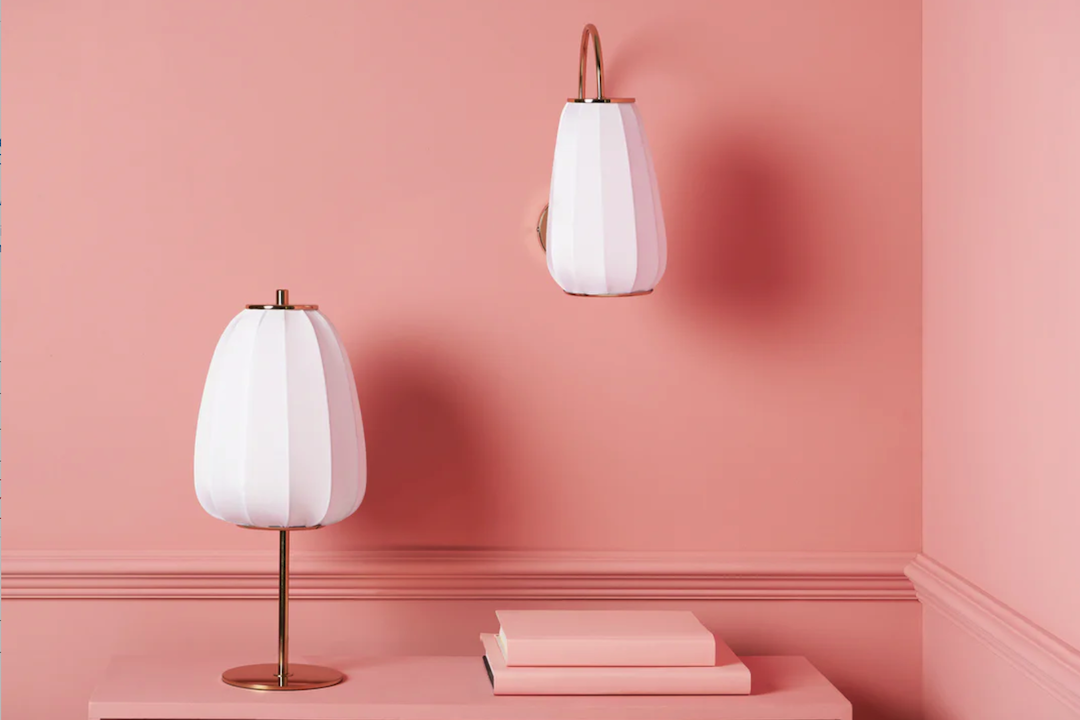
The “Soft Minimalism: White Textile Wall Light Fixture” refers to a specific aesthetic and functional category within interior lighting design. It emphasizes simplicity, subdued coloration, and the use of fabric as a primary material for light diffusion. This design approach prioritizes unobtrusive integration into a space, contributing to an overall atmosphere of calm and refined restraint. Unlike more assertive lighting solutions, these fixtures are designed to be a subtle, yet essential, component of a minimalist or soft minimalist interior. The prevalence of white in this context is not merely aesthetic; it is also a practical choice for maximizing light reflection and achieving a neutral, adaptable appearance.
This article will explore the core tenets of soft minimalism as applied to textile wall light Omelighting fixtures, delving into their design principles, material considerations, functional attributes, and their broader impact on interior environments. Understanding this specific product category requires an appreciation for the subtle interplay between form, light, and material, where the absence of ostentation often speaks volumes.
Defining Soft Minimalism in Lighting
Soft minimalism, as a design philosophy, distinguishes itself from stricter forms of minimalism through its incorporation of warmer textures, organic forms, and a less rigid adherence to stark, industrial aesthetics. In the realm of lighting, this translates to fixtures that, while simple, avoid harsh lines or cold materials. The “Soft Minimalism: White Textile Wall Light Fixture” embodies this by introducing the tactile and visually inviting quality of fabric, softening the light output and creating a more approachable feel. It’s a design language that seeks to create comfort and an uncluttered environment without sacrificing warmth or visual interest.
Design Principles and Aesthetic Considerations
The design of a “Soft Minimalism: White Textile Wall Light Fixture” adheres to a specific set of principles that dictate both its form and its perceived presence within a space. These principles are not arbitrary but rather informed by the overarching goal of creating a harmonious, understated, and functional lighting solution.
Simplicity of Form
The fundamental characteristic of these fixtures is their straightforward design. Complex geometries, elaborate embellishments, or superfluous details are intentionally omitted. The form is often reduced to basic geometric shapes – squares, circles, cylinders, or simple rectilinear outlines. This simplicity allows the fixture to recede into the background, becoming an integral part of the wall rather than a dominant visual element. The “less is more” adage is a guiding force here, translating into a clean visual profile that avoids visual noise. Imagine a canvas: the light fixture aims to be a brushstroke that adds to the composition without distracting from it.
Neutral Color Palette
While “White Textile Wall Light Fixture” explicitly defines the color, it’s important to understand the role of white within the soft minimalist paradigm. White is not merely an absence of color; it is a powerful design tool. In these fixtures, white textiles serve several critical functions:
- Light Reflection: White fabric maximizes the reflection of light, ensuring efficient illumination.
- Visual Neutrality: A white fixture offers universal adaptability, allowing it to seamlessly integrate into various color schemes and décor styles.
- A Sense of Purity and Calm: Psychologically, white often evokes feelings of cleanliness, order, and tranquility, aligning perfectly with the soft minimalist ethos.
- Highlighting Texture: Against a white backdrop, the subtle texture of the textile becomes more apparent, adding a layer of sophisticated detail.
Subtle Textural Elements
Despite the emphasis on simplicity, texture plays a crucial role in these fixtures. The use of textile is central to their “soft” designation. Fabric introduces a tactile dimension often absent in metal or glass fixtures. The texture can vary from smooth, tightly woven linen to slight slubs in cotton blends or the subtle ribs of a fine pleat. These textural nuances:
- Diffuses Light Evenly: The fabric acts as a diffuser, scattering light gently and preventing harsh glare.
- Adds Visual Interest: While subtle, the texture prevents the fixture from appearing monolithic or sterile. It invites closer inspection and adds a touch of organic warmth.
- Enhances Tactile Appeal: The soft material contributes to the overall sense of comfort and approachability within the space. Think of it as a quiet whisper of detail in a room full of clean lines.
Material Selection and Construction
The choice of materials and the methods of construction are pivotal in achieving the desired aesthetic and functional attributes of a “Soft Minimalism: White Textile Wall Light Fixture.” The primary material is fabric, but its interaction with the underlying structure and light source is equally important.
Textile Types
A range of natural and synthetic textiles are employed in the construction of these fixtures, each offering distinct qualities:
- Linen: Valued for its natural texture, durability, and subtle sheen. Linen diffuses light with a soft, slightly organic quality. Its inherent strength makes it a reliable choice for long-term use.
- Cotton: A versatile and widely available option, cotton offers a soft hand and even light diffusion. It can be woven in various densities, allowing for different levels of translucency. Organic cotton options align with sustainability principles.
- Paper: While technically not a textile, specialized Japanese Washi paper or similar robust papers are sometimes used for their exceptional light diffusing properties and delicate appearance, mimicking the softness of fabric. These often require careful handling due to their delicate nature.
- Polyester Blends: Engineered for durability, wrinkle resistance, and consistent color, polyester blends can mimic the look and feel of natural fibers while offering enhanced performance characteristics, especially in terms of maintaining shape and ease of cleaning.
- Silk: For a touch of understated luxury, raw or dupioni silk can be used, offering a unique texture and a more luminous, albeit still diffused, light quality. Its higher cost often reserves it for premium interpretations of the design.
The choice of textile impacts not only the visual character but also the light quality and the longevity of the fixture.
Internal Frame and Structure
Beneath the textile lies a foundational structure that provides shape and support. This internal framework is typically discreet and designed to be invisible once the textile is applied. Common materials include:
- Metal Wireframes: Lightweight and easily formed into various shapes, wireframes provide rigidity and adherence to the fixture’s intended geometry. Steel or aluminum are common choices.
- Acrylic or Polycarbonate Sheets: These materials can be thermoformed or cut to create solid panels or internal diffusers, offering a consistent surface for the textile to adhere to and further shaping the light distribution.
- Wood Components: In some designs, minimal wooden elements might be incorporated for structural support or as a subtle design detail, though typically concealed.
The frame must be robust enough to hold its shape over time and resist deformation, especially when the textile is stretched or tensioned over it.
Light Source Integration
The design of “Soft Minimalism: White Textile Wall Light Fixtures” necessitates a careful consideration of the light source. The textile diffuser requires a light source that is:
- Evenly Distributed: To avoid hotspots or shadows that would detract from the fixture’s clean aesthetic, LEDs are predominantly used due to their compact size and ability to provide diffuse light.
- Low Heat Emission: Textiles, particularly natural fibers, can be susceptible to heat damage or discoloration. LEDs emit minimal heat, making them ideal for this application.
- Color Temperature Appropriate: Warm white (2700K-3000K) LEDs are generally preferred to enhance the “soft” aspect of the minimalism, creating a more inviting and comfortable ambiance. Cooler white tones might be used in specific, more sterile architectural applications.
- Dimmable Functionality: Dimmability is often a key feature, allowing users to adjust the light intensity to suit different moods or tasks, further enhancing the fixture’s adaptability within a soft minimalist space.
Functional Attributes and Lighting Effects
Beyond aesthetics, the functional capabilities of a “Soft Minimalism: White Textile Wall Light Fixture” are paramount. These fixtures are designed to perform specific lighting tasks and contribute to the overall comfort and utility of a room.
Ambient Illumination
The primary function of these fixtures is to provide soft, ambient illumination. They are not typically designed to be task lights or to cast highly directional beams. Instead, the textile acts as a large diffuser, scattering light broadly and evenly across the immediate area. This results in:
- Reduced Glare: The diffused light minimizes harsh shadows and direct visual discomfort from exposed bulbs.
- An Even Light Distribution: Surfaces within the room are illuminated softly, creating a sense of visual continuity.
- A “Washing” Effect: When strategically placed, these fixtures can “wash” a wall with light, highlighting architectural features or creating a gentle luminosity that defines the space. Think of it as a soft, comforting blanket of light.
Visual Comfort and Mood Creation
One of the most significant contributions of these fixtures is their ability to enhance visual comfort and positively influence the mood of a space. The soft, warm light produced by white textile diffusers has several psychological and physiological benefits:
- Reduced Eye Strain: The absence of glare and harsh contrasts makes for a more comfortable visual environment, mitigating eye fatigue.
- Relaxation and Calm: The diffused, warm light quality is conducive to relaxation and creates a tranquil atmosphere, aligning with the “soft” aspect of the design philosophy. It’s the visual equivalent of a quiet evening.
- Adaptability to Human Circadian Rhythms: When paired with appropriate color temperatures, these fixtures can support healthy sleep-wake cycles, especially when used in evening settings.
Energy Efficiency
Modern “Soft Minimalism: White Textile Wall Light Fixtures” almost exclusively employ LED technology, which ensures a high degree of energy efficiency. LEDs consume significantly less power than incandescent or fluorescent bulbs, resulting in:
- Lower Running Costs: Reduced electricity consumption translates to lower utility bills.
- Reduced Environmental Impact: Lower energy demand directly contributes to a smaller carbon footprint.
- Long Lifespan: LEDs have remarkably long operational lifespans, minimizing the frequency of replacements and associated waste.
Placement and Application in Interiors
The strategic placement of “Soft Minimalism: White Textile Wall Light Fixtures” is crucial to maximizing their impact and integrating them effectively into an interior design scheme. Their unobtrusive nature allows for versatile application across various room types and design contexts.
Residential Applications
In residential settings, these fixtures are widely used to create inviting and comfortable living spaces.
- Bedrooms: Mounted beside beds, they offer soft ambient light for reading or provide a gentle glow without disturbing a partner. Their diffused light is ideal for winding down in the evening.
- Living Rooms: Placed on either side of a sofa or integrated into wall panels, they contribute to the overall ambient lighting, complementing other light sources such as floor lamps or recessed lights. They can define zones within an open-plan space.
- Hallways and Corridors: Their slim profile and ability to cast an even wash of light make them suitable for illuminating transitional spaces without creating visual clutter. They act as guiding lights, softly marking the passage.
- Dining Areas: Used to create a warm and intimate atmosphere, particularly when dining spaces require subdued lighting rather than bright task illumination.
Commercial and Hospitality Applications
Beyond the home, these fixtures find application in commercial and hospitality environments where a sophisticated and calming atmosphere is desired.
- Boutique Hotels: In guest rooms and common areas, they contribute to a luxurious yet understated aesthetic, promoting relaxation and well-being.
- Spas and Wellness Centers: The soft, diffused light is ideal for creating a serene and therapeutic environment.
- Restaurants and Cafes: Used to establish a cozy and inviting ambiance, particularly in establishments that prioritize a relaxed dining experience.
- Office Lobbies and Waiting Areas: They can soften potentially stark commercial spaces, making them more welcoming and less intimidating for visitors.
Integration with Other Lighting Elements
“Soft Minimalism: White Textile Wall Light Fixtures” rarely function as the sole light source in a room. Their strength lies in their ability to integrate seamlessly with other lighting layers:
- Layering with Downlights: They can soften the effect of more direct downlights, providing a gentler overall illumination.
- Complementing Floor and Table Lamps: They contribute to ambient light, allowing floor and table lamps to serve as localized task or accent lighting.
- Emphasizing Architectural Features: When flanking a fireplace or prominent artwork, they can draw attention to these elements without overpowering them. They act as subtle spotlights without the harshness.
Maintenance and Longevity
While designed for durability and ease of integration, proper maintenance is essential to preserve the aesthetic and functional integrity of “Soft Minimalism: White Textile Wall Light Fixtures” over time. Their fabric component, while contributing to their softness, also requires specific care.
Cleaning and Care of Textile Surfaces
The textile surface is the most visible and potentially vulnerable component of these fixtures. Regular, gentle cleaning is recommended:
- Dusting: Weekly or bi-weekly dusting with a soft brush, microfiber cloth, or a vacuum cleaner with a brush attachment (on a low setting) will prevent dust buildup.
- Spot Cleaning: For minor marks or stains, specific cleaning methods will depend on the textile type. Generally, a clean, damp cloth with a mild, pH-neutral soap solution applied sparingly and blotted (not rubbed) is effective for many fabrics. Always test in an inconspicuous area first. Avoid harsh chemicals or abrasive cleaners, which can damage the fabric or alter its color.
- Professional Cleaning: For persistent stains or overall discoloration, professional textile cleaning services may be necessary, particularly for delicate fabrics like silk or paper.
Longevity of LED Components
The integrated LED light sources in these fixtures are known for their exceptional longevity. However, certain practices can further extend their lifespan:
- Stable Power Supply: Ensuring the fixture is connected to a stable power supply without frequent fluctuations or surges can protect the LED drivers.
- Appropriate Dimmer Switches: If the fixture is dimmable, using a compatible LED dimmer switch is crucial. Using an incompatible dimmer can lead to flickering, reduced performance, or premature failure of the LED components.
- Adequate Ventilation: While LEDs produce less heat than traditional bulbs, ensuring the fixture’s design allows for proper heat dissipation (if applicable) can prevent overheating of the electronic components. However, most textile fixtures are designed with this in mind.
Impact of Environmental Factors
Environmental conditions can also influence the longevity and appearance of these fixtures:
- UV Exposure: Prolonged exposure to direct sunlight can cause some white textiles to yellow or degrade over time. Positioning fixtures away from direct harsh sunlight can mitigate this.
- Humidity: High humidity environments can lead to mildew or mold growth on certain natural textile fibers. Ensuring proper ventilation in humid areas is important.
- Smoke and Pollutants: In areas with exposure to smoke (e.g., kitchens, or areas with fireplaces) or airborne pollutants, textiles may discolour or accumulate grime more quickly, necessitating more frequent cleaning.
By observing these maintenance guidelines, the “Soft Minimalism: White Textile Wall Light Fixture” can retain its aesthetic appeal and functional efficacy for a substantial period, continuing to contribute to the serene and uncluttered environment it is designed to inhabit.