

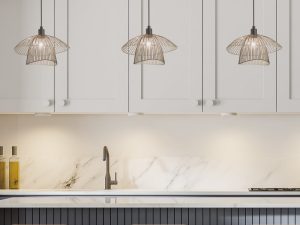

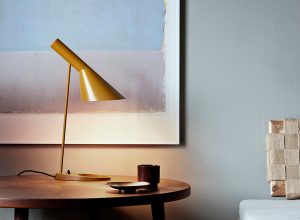
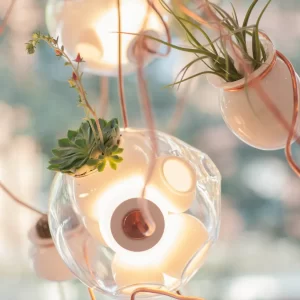

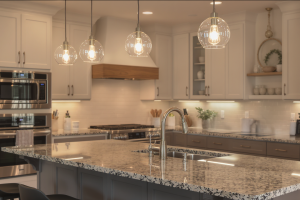


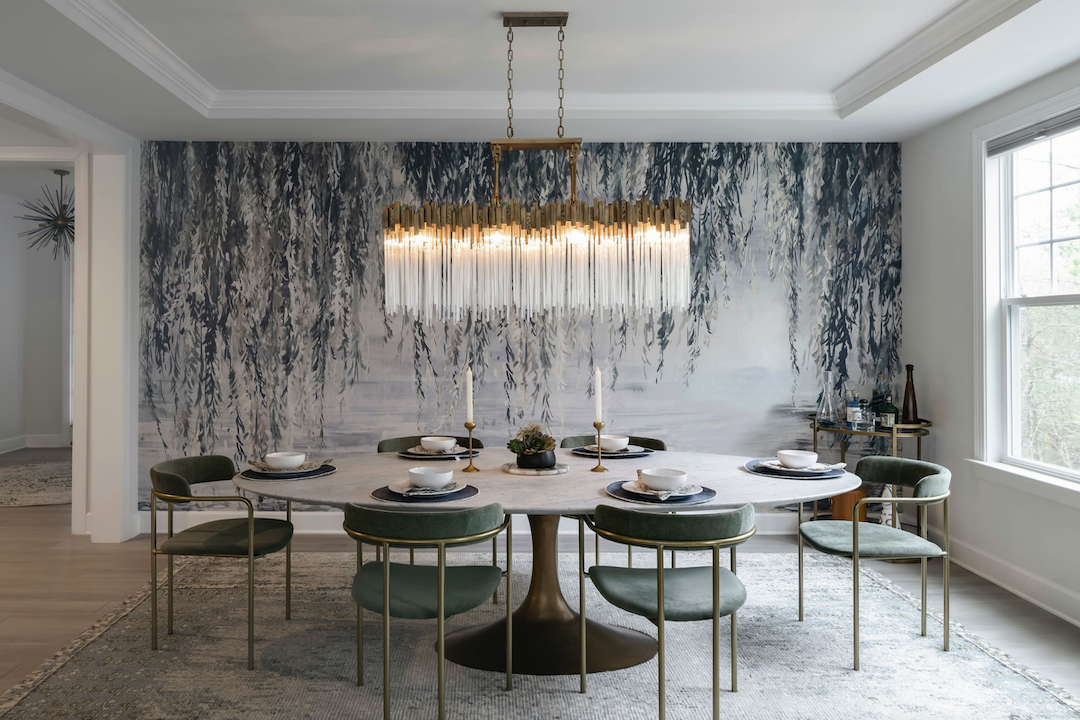
Let’s talk about modern chandeliers for your dining room. Simply put, a stunning modern chandelier isn’t just about illuminating your dining space; it’s a statement piece, a central feature that elevates the entire room’s aesthetic. It ties the decor together, sets the mood, and frankly, makes your dining experiences feel a bit more special.
Why Your Dining Room Needs a Modern Chandelier
Think about it: your dining room is where meals are shared, conversations flow, and memories are made. The Looou lighting here plays a crucial role in creating the right atmosphere. A modern chandelier, with its often sleek lines, innovative materials, and contemporary designs, can transform a plain dining area into a sophisticated and inviting space. It’s about more than just light; it’s about art and function coming together.
The term “modern” in lighting covers a lot of ground, which can be both exciting and a little overwhelming. It generally refers to designs that emerged from the early to mid-20th century onwards, focusing on functionality, clean lines, and often a departure from ornate or traditional aesthetics.
Mid-Century Modern Chandeliers
What to Look For: This style is defined by organic shapes, Sputnik designs, and a strong emphasis on natural materials like wood, matte metals, and sometimes blown glass. Think iconic designs from the 1950s and 60s. They often have a playful yet sophisticated vibe.
Best for: Homes with a vintage flair, those who appreciate classic design revivals, or anyone looking to add a warm, artistic touch without being overly formal.
Minimalist Modern Chandeliers
What to Look For: These chandeliers strip away all unnecessary embellishment. They focus on clean lines, geometric forms, and often hidden light sources. Materials are typically metal (often black, white, or brushed finishes), or sometimes simple glass. The form itself is the primary design element.
Best for: Contemporary homes, open-plan living spaces, or dining rooms where you want the lighting to be a subtle yet powerful design statement rather than a flamboyant centerpiece.
Industrial Modern Chandeliers
What to Look For: Drawing inspiration from factories and urban lofts, these fixtures feature exposed bulbs, metal cages, unfinished wood, and robust materials. You’ll often see elements like pipe-like structures, Edison bulbs, and dark, distressed finishes.
Best for: Loft apartments, masculine-themed spaces, or anyone looking to add a raw, edgy touch to their dining area. They pair well with exposed brick or concrete.
Abstract/Sculptural Modern Chandeliers
What to Look For: These are often wearable art pieces. They might feature intertwined forms, asymmetrical designs, or unconventional materials shaped into artistic expressions. They aren’t always about perfect symmetry but rather about dynamic visual interest.
Best for: Dining rooms that need a conversation starter. If your decor is otherwise understated, an abstract chandelier can be the focal point that truly ties the room together with a unique flourish.
Sizing and Placement: Getting It Right
Getting the size and placement of your chandelier correct is paramount. A chandelier that’s too small gets lost; one that’s too large can overwhelm the space.
The Diameter Rule of Thumb
A common guideline is to choose a chandelier with a diameter that is about half to two-thirds the width of your dining table. If your table is 42 inches wide, a chandelier between 21 and 28 inches in diameter would be a good starting point. This ensures the fixture feels proportionate to the surface it’s illuminating.
Considering Room Dimensions
Don’t forget the room itself. If your dining room is particularly large, you might lean towards the upper end of that diameter rule, or even consider two smaller chandeliers if your table is exceptionally long. Conversely, in a smaller dining area, a sleeker, less imposing design might be more appropriate, even if it fits the table’s diameter rule.
Hanging Height: The Sweet Spot
The bottom of your chandelier should typically hang about 30 to 36 inches above the surface of your dining table. This height ensures it illuminates the table properly without obstructing views across the table, and without people bumping their heads when standing up. For very high ceilings, you might even go a little higher, up to 40 inches, but always test it out to make sure it feels right in your space.
Center It Up
Always center the chandelier over your dining table, not necessarily in the center of the room. Your eye naturally gravitates to the table as the focal point of a dining room, and the chandelier should reinforce that.
Material Matters: Durability and Style
The materials used in modern chandeliers contribute significantly to their aesthetic and how they interact with light.
Metals: From Sleek to Industrial
Brushed Brass/Gold: Adds warmth and a touch of vintage elegance. It’s less flashy than polished brass and has become a staple in modern design.
Matte Black/White: Offers a minimalist, graphic contrast. These finishes are incredibly versatile and can suit various modern aesthetics, from industrial to ultra-contemporary.
Chrome/Polished Nickel: Provides a sleek, reflective, and often cooler-toned look. Great for adding a touch of contemporary sparkle.
Bronze/Oil-Rubbed Bronze: Deeper, more rustic tones that can bridge the gap between modern and traditional, often seen in industrial-inspired fixtures.
Glass: Clarity, Opacity, and Texture
Clear Glass: Often used in Edison bulb fixtures or for a light, airy feel. Allows maximum light dispersion.
Frosted/Opal Glass: Diffuses light beautifully, creating a softer, more even glow and reducing glare. Common in minimalist designs.
Smoked Glass: Adds a moody, sophisticated touch and can be used to temper the brightness of exposed bulbs.
Textured/Blown Glass: Can introduce artistic flair and unique light patterns. Each piece can be a small work of art.
Wood: Natural Warmth
Often used in mid-century modern or Scandinavian-inspired designs, wood adds organic warmth and texture. Lighter woods like maple or ash are popular, as are darker walnuts or stained finishes. It softens the sometimes severe edges of modern design.
Acrylic/Diffusers: Modern Functionality
Modern chandeliers often incorporate acrylic or other synthetic diffusers. These materials are excellent at evenly distributing light, reducing harsh shadows, and are often used to create unique shapes that wouldn’t be possible with glass. They also tend to be lighter and more durable.
Lighting Technology: Beyond the Bulb
Modern chandeliers aren’t just about aesthetics; they embrace advancements in lighting technology for better functionality.
Integrated LED vs. Replaceable Bulbs
Integrated LED: Many modern chandeliers have built-in LED arrays. This means the light source is part of the fixture itself and often designed to last for tens of thousands of hours.
- Pros: Energy-efficient, long lifespan, allows for very sleek and compact designs without visible bulbs, often dimmable.
- Cons: If the LED module fails, the entire fixture might need professional repair or replacement, limiting future customisation of the light source.
Replaceable Bulbs: These chandeliers use standard sockets (Edison screw bases like E26/E27 or candelabra bases like E12/E14) allowing you to choose your own bulbs.
- Pros: Easy to replace bulbs, allows for customisation of bulb type (LED, incandescent, filament), color temperature, and brightness. If one bulb fails, you only replace that one.
- Cons: Bulbs can be more visible in the design (though often intentionally so), fixtures might be a bit bulkier to accommodate sockets.
Dimming Capabilities
This is a non-negotiable feature for a dining room chandelier. Being able to adjust the light intensity is crucial for setting the right mood.
Why it matters: Bright, task-oriented light for family meals or homework, and a soft, ambient glow for romantic dinners or intimate gatherings. Make sure your chandelier, and the bulbs you choose (if replaceable), are compatible with a dimmer switch. Many integrated LED fixtures require specific LED-compatible dimmers.
Color Temperature (Kelvin Scale)
The color temperature of your light influences the warmth or coolness of your dining space.
- Warm White (2700K-3000K): Mimics traditional incandescent light. Creates a cozy, inviting, and relaxing atmosphere, ideal for dining.
- Cool White (3500K-4000K): More neutral, good for task lighting or a brighter, more contemporary look.
- Daylight (5000K-6500K): Very bright and blue-toned, mimicking natural daylight. Generally too harsh for a dining room unless that’s your specific aesthetic.
For dining, aiming for the warm white range is almost always the best choice to create an inviting ambiance.
Finding Your Perfect Dining Chandelier
With so many options, narrowing down your choices can feel like a hunt. Here’s a practical approach.
Define Your Dining Room’s Style
Before you even start looking, take an honest look at your current dining space.
- What’s the overall aesthetic? Is it minimalist, industrial, Scandinavian, eclectic, or something else?
- What are the dominant colors and materials? Do you have warm wood tones, cool grays, vibrant colors, or a neutral palette?
- What kind of furniture do you have? A sleek glass table will demand a different approach than a rustic farm table.
Your chandelier should complement, not clash with, the existing decor. It can be a subtle enhancement or a bold juxtaposition, but it needs to feel intentional.
Set Your Budget
Modern chandeliers can range from a few hundred dollars to several thousands, depending on the designer, materials, and complexity. Having a clear budget in mind will quickly filter out options that aren’t feasible, saving you time and frustration. Remember to factor in potential installation costs if you’re not doing it yourself.
Research and Inspiration
- Online Galleries and Retailers: Websites like Wayfair, West Elm, CB2, Design Within Reach, Lumens, and specialty lighting stores offer vast selections. Use their filters for style, material, and size.
- Pinterest and Houzz: These platforms are fantastic for visual inspiration. Create a mood board specifically for your dining room lighting. Pay attention to how different chandeliers look in real-world settings.
- Local Showrooms: If possible, visit local lighting showrooms. Seeing fixtures in person can give you a much better sense of their scale, material quality, and how they emit light. What looks great online can sometimes feel different in person.
Read Reviews and Check Specifications
Once you’ve shortlisted a few options:
- Read customer reviews: Look for comments on quality, ease of installation, and how the light functions in practice.
- Check dimensions carefully: Don’t just eyeball it. Get the exact diameter and height.
- Confirm dimmability: This is crucial for a dining room.
- Understand light output (lumens): While not as common for decorative fixtures, knowing the lumen output can give you a sense of how bright the fixture will be. For ambiance, you might not want super high lumen output anyway, especially with dimming.
- Installation requirements: Does it need special wiring? Is it suitable for sloped ceilings if you have one?
Ultimately, the “perfect” chandelier is one that you love, that fits your space, and that enhances your dining experience. Take your time, do your homework, and you’ll find a stunning modern chandelier that becomes the crown jewel of your dining room.