

Ever dreamt of dining under the stars in your conservatory, but the reality is more squinting at your plate than stargazing? You’re not alone. The unique architecture of conservatories, with their abundance of glass, presents a real challenge when it comes to lighting. Direct sunlight can be blinding, and artificial lights often reflect off the glass, creating an annoying glare. The good news is, achieving glare-free lighting for your conservatory dining area is entirely possible, and it doesn’t require a complete overhaul of your existing structure. It’s all about smart choices in fixture types, placement, and control.
Understanding the Glare Problem
Before we dive into solutions, let’s unpack why glare is such a nuisance in conservatories. It’s not just an annoyance; it can seriously impact the comfort and enjoyment of your space.
The Culprit: Reflective Surfaces
The primary reason for glare in a conservatory is the sheer amount of glass. Every window, every ceiling panel, acts like a mirror. When light Woodenlightings, whether natural or artificial, hits these surfaces at certain angles, it bounces directly into your line of sight. This reflection is what we perceive as glare. It can be particularly bad during the day when the sun is low, or at night when your interior lights become highly reflective on the dark glass.
The Impact on Dining
Beyond the discomfort, glare can ruin a dining experience. Imagine trying to enjoy a beautifully prepared meal, but you can’t see it clearly because of a harsh reflection. It diminishes the ambiance, makes conversation difficult as people squint or turn away, and can even cause eye strain. For a space designed for relaxation and enjoyment, glare is a significant counter-indicator.
Strategic Lighting Placement
Where you put your lights is just as important, if not more so, than the type of light you choose. Thoughtful placement can dramatically reduce glare.
Uplighting for Softness
Instead of directing light downwards, consider illuminating your conservatory with uplighters. These fixtures are designed to project light upwards, bouncing it off the ceiling or walls before it diffuses into the room. This creates a softer, more ambient glow that is less likely to create harsh reflections on the glass. For dining, this can be particularly effective when strategically placed around the perimeter of the room, or even integrated into planters.
- Wall-mounted uplighters: These are discrete and can provide a continuous wash of light along the walls. Look for designs that direct light specifically upwards, rather than those with a broader spread.
- Floor-standing uplighters: These offer flexibility as they can be moved. Consider placing them behind furniture or in corners to bounce light off the ceiling.
- Integrated architectural uplighting: If you’re building or renovating, consider incorporating uplighting directly into architectural features like ledges or cornices.
Avoiding Direct Overhead Lighting
While a central pendant light might seem like a natural choice for a dining area, it’s often a major contributor to glare in a conservatory. A single, bright light source directly above the table will inevitably create reflections on the glass ceiling and side panels.
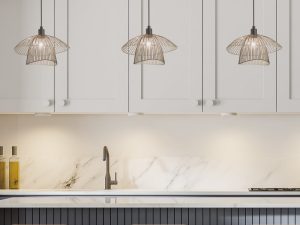
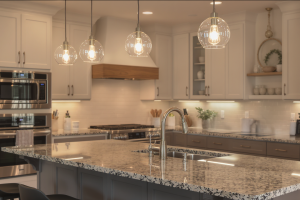
- Pendant light alternatives: If you desire a central feature, opt for a pendant with an opaque shade that directs light downwards onto the table surface, but not outwards. Even better, consider a pendant that uses multiple smaller, lower-wattage bulbs rather than one intense bulb.
- Recessed lighting considerations: While often sleek, recessed lights can still cause glare if not carefully chosen and positioned. Look for fixtures with deep baffles that shield the light source, directing it downwards. Avoid wide-beam spotlights.
Task Lighting for the Table
For effective dining, you need good light on your food. This is where task lighting comes in, designed to illuminate a specific area without spilling too much light elsewhere.
- Directional downlights: Instead of general overhead lighting, consider a few well-placed directional downlights focused directly on the dining table. The key here is “directional” – you want the light to be contained to the table area, minimizing spill onto reflective surfaces.
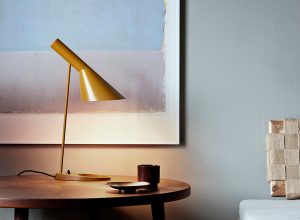
- Table lamps with opaque shades: For a more intimate setting, small table lamps with solid, opaque shades can provide excellent localized light without glare. Position them at the ends of the table or on nearby side tables.
- Candlelight (with caution): While not a primary light source, candles add a wonderful ambiance. Their soft, flickering light is naturally glare-free. Just ensure they are safely placed and monitored, especially in a conservatory with potentially combustible materials.
Choosing the Right Light Fixtures and Bulbs
Beyond placement, the actual components of your lighting system play a crucial role in glare reduction.
Diffused Light Sources
The goal is to soften the light. Hard, direct light is more prone to creating harsh reflections. Diffused light spreads out more evenly, reducing intensity and scattering potential glare points.
- Frosted or opaque shades: Always opt for light fixtures with frosted glass or opaque shades. These materials break up the direct light from the bulb, creating a softer glow. Avoid clear glass or exposed bulbs.
- Fabric or paper shades: These materials naturally diffuse light beautifully, adding a warm, inviting feel. Ensure they are suitable for the conservatory environment (e.g., resistant to humidity if applicable).
Dimmable Fixtures
This is a non-negotiable for conservatory dining. Dimmable lights give you complete control over the light output, allowing you to adjust it based on the time of day, the weather, or your mood.
- Flexibility is key: On a bright, overcast day, you might need a little ambient light. On a dark evening, you might want more intensity. Dimmers allow you to fine-tune the light level to prevent it from becoming too bright and reflective.
- Mood setting: Beyond glare reduction, dimmers are essential for creating different dining atmospheres, from bright and lively to intimate and romantic.
Warm Color Temperatures (Kelvin)
The color of your light also matters. Warm light tends to be more comfortable and less jarring, especially in the evening.
- 2700K to 3000K: Aim for LED bulbs in this range. This produces a soft, warm white light, similar to traditional incandescent bulbs. It’s flattering to food and people and creates a cozy atmosphere.
- Avoiding cool white: Steer clear of “cool white” or “daylight” bulbs (typically 4000K and above) for dining. These can feel stark, sterile, and exacerbate glare, especially when reflected.
Low-Glare LED Technology
LEDs have come a long way, and many are specifically designed with glare reduction in mind.
- Deep-set LEDs: Look for LED fixtures where the actual light source (the diode) is recessed deeply within the housing. This shields the direct light from view.
- Honeycomb baffles: Some LED fixtures incorporate honeycomb-like structures or louvered baffles that help direct the light and minimize glare.
- LED panels with diffusers: For ambient lighting, large LED panels that incorporate a built-in diffuser can provide a very even, soft light that’s ideal for reducing reflections.
Controlling Natural Light
Even the best artificial lighting won’t completely solve the problem if you haven’t addressed the primary source of glare: the sun. Managing natural light is paramount in a conservatory.
Blinds and Shades: Your Best Friends
These are your frontline defense against sun glare, heat gain, and privacy concerns. Don’t view them as an afterthought; they are an integral part of your conservatory’s glare control strategy.
- Roof blinds: These are essential. The sunniest part of your conservatory is the roof. Retractable roof blinds (pleated, Venetian, or roller) allow you to block direct overhead sun and significantly reduce glare on your dining table.
- Side blinds/curtains: Vertical blinds, roller blinds, or even sheer curtains on the side windows can diffuse direct sunlight entering horizontally. They also offer privacy in the evening.
- Smart automation: Consider automated blinds that can be programmed to open and close based on the time of day or even sun sensors. This offers convenience and proactive glare management.
Tinted or Coated Glass
If you’re building a new conservatory or considering replacing existing glass, explore options for specialized glazing.
- Low-e glass: Low-emissivity (Low-e) coatings on glass help regulate temperature and can reduce the transmission of harsh UV rays, which contribute to glare.
- Tinted glass: Tinted glass reduces the overall amount of light entering the conservatory. While effective for glare, be mindful that it can also make the space feel darker, so balance is key.
- Smart glass: This innovative technology allows you to electronically control the tint or opacity of the glass, offering on-demand glare control at the touch of a button. While a significant investment, it provides ultimate flexibility.
Layering Your Lighting
The most effective lighting schemes, especially in challenging environments like conservatories, use a layered approach. This means combining different types of lighting to achieve both functionality and ambiance without glare.
Ambient Lighting
This is the general, background light that provides overall illumination for the space. It should be soft and indirect to avoid glare.
- Uplighters: As discussed, wall-mounted or floor-standing uplighters are excellent for ambient light in a conservatory.
- Recessed lighting with diffusers: If using recessed lights, ensure they have deep baffles and a diffused output to contribute to the ambient layer without creating hotspots.
- LED strip lighting: Integrated into architectural features or along the base of walls, LED strips can provide a subtle and even wash of ambient light.
Task Lighting
This is focused lighting for specific activities, like dining. It needs to be bright enough for the task but carefully directed to avoid glare.
- Pendant over table (with opaque shade): A single pendant with a downward-facing, opaque shade can effectively illuminate the dining surface without causing reflection on the ceiling.
- Directional spotlights: A couple of small, adjustable spotlights aimed directly at the center of the table can provide excellent task lighting.
- Table lamps: Small, shaded table lamps on sideboards or within arm’s reach on the dining table itself can add a warm glow for dining.
Accent Lighting
This layer is all about highlighting features, creating visual interest, and enhancing the mood. It should be used sparingly and strategically.
- Spotlighting plants: If you have beautiful potted plants, a small, low-wattage spotlight can highlight them.
- Feature wall wash: If you have a solid wall, a subtle wall wash can create depth and texture without contributing to glare on the glass.
- Decorative lamps: A stylish decorative lamp, perhaps with a soft, warm glow, can serve as an accent piece on a console table.
Practical Considerations for Conservatory Lighting
Beyond the aesthetic and glare-reduction aspects, there are practical points to keep in mind specifically for conservatories.
IP Ratings and Moisture
Conservatories can experience higher humidity and temperature fluctuations than other rooms in your house.
- Moisture resistance: Ensure any electrical fixtures are appropriately rated for the environment. Look for IP ratings (Ingress Protection) that indicate resistance to dust and moisture. For general conservatory use, IP44 is often a good minimum, especially for anything potentially exposed to condensation or humidity.
- Ventilation: Good ventilation will help reduce condensation, which in turn helps protect your lighting fixtures.
Ease of Cleaning and Maintenance
Glass-heavy environments often mean more cleaning. Choose fixtures that are easy to maintain.
- Simple designs: Avoid overly intricate fixtures that collect dust easily or are difficult to wipe down.
- Durable materials: Opt for materials that can withstand the conservatory environment without degrading or looking dated quickly.
Professional Installation
Especially with roof lighting, wiring, and automation systems, professional installation is highly recommended.
- Safety first: Electrical work, particularly in an environment with lots of glass and potential moisture, should always be handled by a qualified electrician.
- Optimal performance: A professional can advise on the best placement, wiring routes, and ensure your system is properly integrated and working safely.
Creating a glare-free dining experience in your conservatory is a blend of smart design choices, careful product selection, and thoughtful implementation. By understanding the causes of glare and applying these practical solutions – focusing on strategic placement, diffused light, dimmability, warm color temperatures, and effective natural light control – you can transform your conservatory from a beautiful but challenging space into a truly comfortable and inviting dining haven, day or night. It’s about making conscious decisions to control the light, rather than letting it control your comfort.