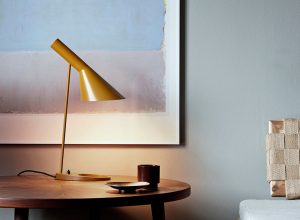
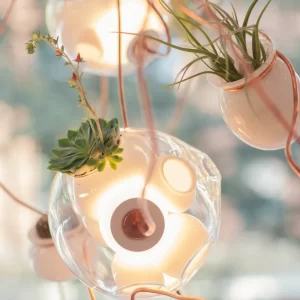
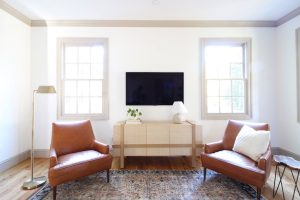
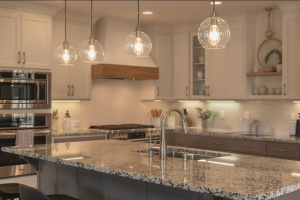


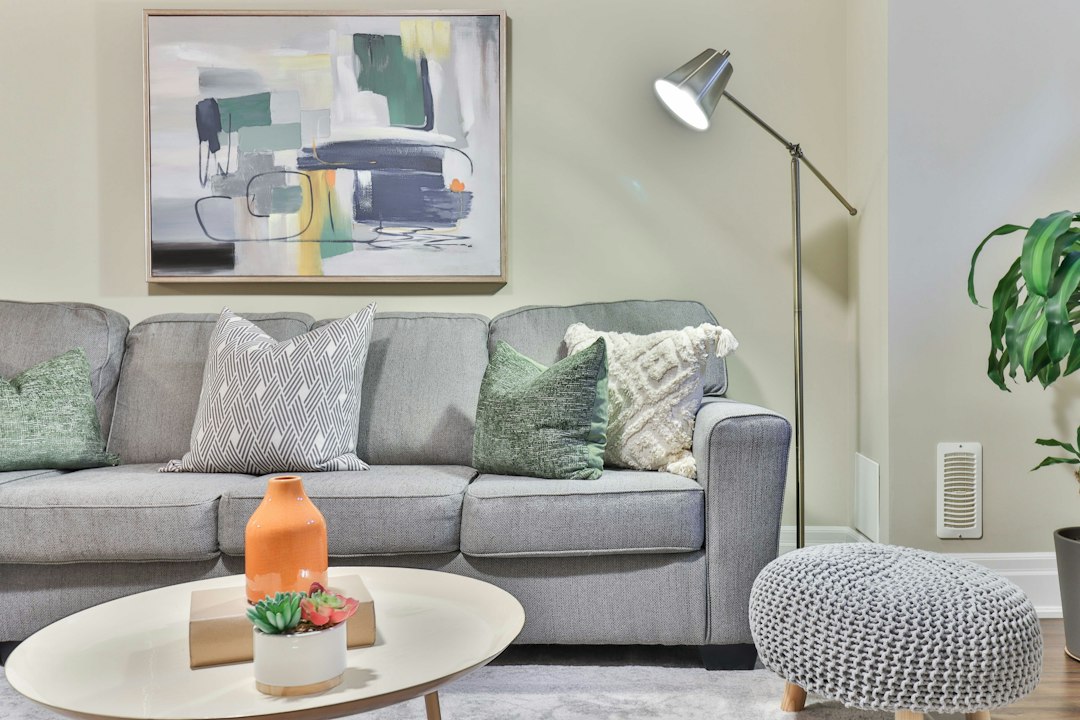
Floor lamps for your living room generally range from around $30 for a basic, functional model to well over $1,000 for high-end, designer pieces with advanced features. The sweet spot for a good quality, stylish, and durable lamp that offers solid illumination is often between $100 and $300. This guide will walk you through what influences those prices and how to budget effectively to find the perfect light for your space.
Understanding Floor Lamp Price Factors
A lot goes into how a floor lamp is priced, and it’s more than just whether it turns on or off. Thinking about these elements can help you understand why some lamps are a steal and others require a significant investment.
Materials and Construction Quality
This is often the biggest driver of cost. A lamp made from flimsy plastic will naturally be much cheaper than one crafted from solid brass or real wood.
Base Materials
- Plastic & Thin Metals (Under $100): Often used for entry-level lamps. While lightweight and inexpensive, they might feel less stable and show wear quickly. Think basic task lamps or simple ambient uplighters.
- Steel, Aluminum, Engineered Wood ( $100 – $300): This is where you start getting into more durable and aesthetically pleasing options. Steel and aluminum offer good stability and can be finished in various ways (brushed, powder-coated). Engineered wood can look great but verify its quality to avoid cheap-looking laminates.
- Solid Wood, Brass, Marble, Blown Glass ( $300 – $1,000+): These premium materials significantly increase the price. Solid wood offers warmth and durability, brass develops a beautiful patina over time, marble provides a weighty, luxurious base, and hand-blown glass shades are often works of art themselves. These lamps are built to last and often become focal points.
Shade Materials
The shade isn’t just for diffusing light; it’s a major aesthetic component.
- Fabric (Linen, Cotton, Silk): Common and versatile. Cotton and linen are more affordable, while silk shades can push the price up due to their luxurious feel and delicate nature.
- Metal: Can be used for industrial looks (e.g., perforated metal) or more sleek, modern designs (e.g., spun aluminum). Often very durable.
- Glass (Frosted, Stained, Blown): Frosted glass is common for diffusers. Stained glass is more specialized and costly, while hand-blown art glass shades are significantly more expensive and often unique.
- Plastic/Acrylic: Found in budget-friendly lamps, offering various opacities and colors. Less durable than fabric or metal but very versatile in design.
Overall Craftsmanship
Beyond just the raw materials, how well the lamp is put together matters. Are the seams clean? Is the wiring neatly tucked away? Does it feel sturdy and balanced, or does it wobble when you touch it? High-quality craftsmanship means attention to detail, precision in assembly, and often, a longer lifespan for the product.
Design and Style
A lamp isn’t just a light source; it’s a piece of furniture that contributes to your room’s aesthetic. Unique or iconic designs carry a higher price tag.
Contemporary vs. Classic
- Mass-produced Contemporary ( $50 – $200): These lamps often follow current trends and are produced in large quantities, keeping costs down. Think minimalist designs, popular geometric shapes, or simple arc lamps.
- Classic Replications ( $100 – $400): Many lamps draw inspiration from timeless designs (e.g., mid-century modern, traditional torchieres). Replicas can be more affordable than authentic vintage pieces or licensed reproductions.
- Iconic or Designer Pieces ( $500 – $2,000+): When you’re buying a lamp designed by a famous architect or furniture designer, you’re paying for the intellectual property, the brand name, and often, the superior materials and construction that go along with it. These are often considered investment pieces.
Intricacy of Design
Simpler designs with fewer components are generally cheaper to manufacture. Lamps with elaborate details, multiple arms, sculpted bases, or complex articulation will cost more due to increased material use and labor involved in their creation.
Features and Technology
Modern floor lamps offer much more than just an on/off switch. These added capabilities often come with a price premium.
Dimming Capabilities
- Basic Dimmer ( $20 – $50 extra): A simple rotary or slide dimmer can be found on many mid-range lamps, allowing you to adjust brightness.
- Touch Dimming/Stepless Dimming ( $50 – $100 extra): More advanced dimmers that offer a smoother transition or operate via a simple touch sensor on the lamp itself.
Smart Features
- App Control ( $100 – $300 extra): Lamps that connect to your smartphone via Bluetooth or Wi-Fi, allowing you to control brightness, color temperature, and even color (RGB lamps) from an app.
- Voice Assistant Integration ( $150 – $400 extra): Compatibility with Amazon Alexa, Google Assistant, or Apple HomeKit for hands-free control.
- Motion Sensors/Timers ( $50 – $150 extra): Less common in living room floor lamps but can be found in some specialized models for convenience or energy saving.
USB Charging Ports/Integrated Shelving
These practical additions increase the functionality of a lamp, often pushing it into a slightly higher price bracket ( $50 – $150 more than a comparable lamp without these features).
Integrated LED vs. Replaceable Bulbs
- Replaceable Bulb (Standard): Most affordable, as you only pay for the fixture. You then choose and purchase your own bulbs (LED, incandescent, CFL).
- Integrated LED ( $50 – $300+ extra): The LED light source is built directly into the lamp. This often allows for sleeker designs, better light distribution, and energy efficiency. While the initial cost is higher, integrated LEDs are usually very long-lasting (20,000+ hours) and you never have to buy a replacement bulb. However, if the LED array fails, the entire lamp usually needs to be replaced.
Brand and Retailer
Just like any other product, brand reputation and where you buy the lamp play a role in its cost.
High-End Brands vs. Budget Brands
Well-known lighting brands or furniture companies often command higher prices due to their established reputation for quality, unique designs, and customer service. Smaller or newer brands might offer similar styles at lower prices, but it’s worth checking reviews for quality assurance.
Retail Channels
- Online Marketplaces (Amazon, Wayfair, etc.): Often offer a wide range of prices and styles, from budget-friendly to mid-range. Competitive pricing is common.
- Big Box Stores (Target, Walmart, IKEA): Excellent for budget to mid-range options. Focus on functional and popular styles.
- Specialty Lighting Stores (Local & Online): Tend to carry higher-quality, unique, or designer lamps. Prices will generally be higher but so will expertise and service.
- Department Stores (Macy’s, Pottery Barn, Crate & Barrel): Mid-to-high range options, often focusing on current interior design trends and offering a balance of style and quality.
Setting Your Budget: Practical Steps
Before you even start browsing, having a clear budget in mind will save you time and prevent buyer’s remorse.
Assess Your Needs and Priorities
What do you really need this lamp to do?
Primary Function
- Ambient Lighting (General Illumination): A torchiere that bounces light off the ceiling, or a lamp with a large diffusing shade. These often range from $70 – $300.
- Task Lighting (Reading, Hobbies): An arc lamp over a sofa, a direct spotlight, or an adjustable arm lamp. Expect to pay $100 – $400 for good quality adjustability.
- Accent Lighting (Highlighting Features, Mood): Smaller, more decorative lamps, or those with unique light patterns. These can be anywhere from $50 – $250, depending on the design.
- Decorative Element (Sculptural Piece): A lamp whose primary role is aesthetic. These often fall into the higher price brackets, $200 – $1,000+.
Desired Features
Do you absolutely need a dimmer? Is a USB port a game-changer for your living room setup? Prioritizing these features will help you decide where to allocate your budget. If smart home integration is crucial, you know you’ll need to spend more than if you just need a basic on/off switch.
Lifespan Expectation
Are you looking for a temporary fix, a lamp to last a few years, or a piece you envision keeping for decades? A temporary solution can be found for under $50, a few years for $100-$300, and decades for $300+.
Determine Your Price Range
Once you know your needs, you can start to nail down a realistic spending limit.
Entry-Level (Under $100)
- What to Expect: Basic functionality, often simpler materials (plastic, thin metals, basic fabric shades). Good for dorms, temporary solutions, or if you need a very specific function without fuss (e.g., a simple reading light).
- Pros: Very affordable, easy to replace, wide availability.
- Cons: Might feel less stable, less durable, limited design options, less advanced features.
Mid-Range ( $100 – $300)
- What to Expect: A good balance of quality materials (steel, aluminum, decent wood, quality fabrics), better craftsmanship, a wider array of styles, and often includes basic features like dimmers or USB ports. This is where most people will find a suitable, durable, and attractive lamp.
- Pros: Good value for money, improved durability, stylish options, more features.
- Cons: Might not have premium materials or cutting-edge smart features.
High-End ( $300 – $1,000+)
- What to Expect: Premium materials (solid brass, marble, solid wood, hand-blown glass), exceptional craftsmanship, unique or iconic designs, advanced smart features, integrated high-quality LEDs, and often from reputable design brands. These are investment pieces that enhance a room significantly.
- Pros: Superior aesthetics, excellent durability, advanced technology, long-term value, unique designs.
- Cons: Significant investment, might be overkill if you just need a basic light.
Factor in Additional Costs
Don’t forget that the lamp itself might not be your only expense.
Light Bulbs
If your lamp doesn’t come with an integrated LED, you’ll need to buy bulbs. LED bulbs are highly recommended for energy efficiency and longevity, but they have an upfront cost ($5-$20 per bulb, depending on features like dimmability or smart capabilities).
Shipping and Delivery
Especially for larger lamps or purchases from online retailers, shipping costs can add a notable amount to your total. Always check shipping policies before committing. Some retailers offer free shipping over a certain amount.
Assembly
While most floor lamps are relatively easy to assemble, some more complex designs might require a bit more effort. If you’re not handy, consider if you’d need professional assembly (though this is rare for floor lamps) or if you prefer a pre-assembled option, which might have higher shipping costs.
Where to Buy: Best Options for Every Budget
Different retailers cater to different price points and offer varying selections. Knowing where to look can save you time and money.
Budget-Friendly (Under $100)
For simple, functional, and temporary lighting solutions.
IKEA
- Pros: Excellent for minimalist designs, integrated smart home options (TRÅDFRI system) at accessible prices, often good value for the cost.
- Cons: Assembly required, limited higher-end material options, designs are specific to IKEA’s aesthetic.
Target / Walmart
- Pros: Widespread availability, competitive pricing, often stock current trend-driven styles, easy returns.
- Cons: Quality can be hit-or-miss, designs might feel generic, fewer advanced features.
Amazon / Wayfair (Filter by Price)
- Pros: Vast selection, endless options, competitive pricing from various sellers, customer reviews are invaluable.
- Cons: Overwhelming choice, difficult to assess quality without seeing in person, potential for inconsistent quality among different brands. Always check seller reputation and return policies.
Mid-Range ( $100 – $300)
This is the sweet spot for many shoppers, offering a balance of style, quality, and features.
Pottery Barn / Crate & Barrel (During Sales)
- Pros: Stylish, durable lamps with good design aesthetics. Known for quality materials.
- Cons: Regular prices can be above this range, so watch for sales, promotions, or outlet stores.
West Elm / CB2 (During Sales)
- Pros: Modern, trendy designs with good quality. Often feature unique shapes and finishes.
- Cons: Similar to Pottery Barn/Crate & Barrel, full price can exceed the $300 mark, so sales are key.
Lamps Plus / Lighting New York
- Pros: Dedicated lighting retailers with an extensive selection across all styles and price points. Often have a good range of options in the mid-tier for specific functions (e.g., arc lamps, pharmacy lamps).
- Cons: Can be overwhelming with choices, not always the absolute lowest prices but good for quality.
Home Goods / TJ Maxx (In-Store Bargains)
- Pros: Can find fantastic deals on stylish lamps, often from well-known brands that were overstocked or discontinued. Great for unique finds.
- Cons: Inventory is inconsistent and unpredictable; you might need to visit multiple times to find what you want. No online catalog for specific items.
High-End ( $300 – $1,000+)
For investment pieces, designer styles, and superior quality.
Design Within Reach (DWR) / Herman Miller
- Pros: Authentic iconic designs from renowned designers, exceptional quality, often considered collectors’ items.
- Cons: Very high price point, focus on specific design aesthetics (mid-century modern, contemporary).
Room & Board
- Pros: High-quality, durable furniture and lighting, often with a focus on sustainable materials and craftsmanship. American-made options.
- Cons: Significant investment, designs lean towards modern and minimalist.
Specialty Lighting Boutiques (Local)
- Pros: Expert advice, unique and artisanal lamps, ability to see and feel the quality in person, support local businesses.
- Cons: Higher prices, limited selection compared to large online retailers.
Art Galleries / Custom Makers
- Pros: Truly unique, often one-of-a-kind pieces, can commission specific designs.
- Cons: Highest price point, long lead times for custom work.
Tips for Getting the Most Value
Regardless of your budget, there are always ways to make your money go further and ensure you’re happy with your purchase.
Read Reviews and Check Ratings
This is perhaps the most crucial step, especially when buying online. Look for:
- Consistency: Do many reviews mention the same positive or negative aspects?
- Photos: User-submitted photos can give you a much better sense of the lamp’s true appearance and scale than professional product shots.
- Specifics: Do reviewers mention the stability of the base, the quality of the shade, the brightness of the light, or ease of assembly?
Compare Prices Across Retailers
Once you’ve found a lamp you like, do a quick search to see if other retailers carry the same model for a different price. Price matching is sometimes available, or you might find a better deal elsewhere.
Look for Sales, Discounts, and Open Box Items
Timing your purchase can save a significant amount.
- Holiday Sales: Black Friday, Cyber Monday, Labor Day, Memorial Day, and end-of-year sales are prime times for discounts.
- Clearance Sections: Many online and physical stores have dedicated clearance or “last chance” sections.
- Open Box/Returns: Some retailers sell customer returns or open-box items at a discount. Always check the return policy and condition of these items carefully.
- Email Sign-Up Discounts: Many retailers offer a percentage off your first purchase if you sign up for their email list.
Consider Refurbished or Vintage Lamps
- Refurbished: Some manufacturers or specialty stores sell refurbished lamps (often smart lamps) at a lower cost.
- Vintage/Secondhand: Estate sales, antique shops, Facebook Marketplace, and thrift stores can yield unique, high-quality vintage lamps at a fraction of their original cost. You might need to update the wiring for safety, which is an additional cost ( $50 – $150 for a professional rewire), but it can still be a great deal for a solid piece.
Prioritize Function Over Pure Aesthetics (Initially)
While a lamp’s looks are important, ensure it first meets your primary lighting needs. A stunning lamp that doesn’t provide enough light for reading, or glares unpleasantly, won’t be a good investment in the long run. Functionality, light quality, and durability should always be a strong consideration, especially for lamps used frequently.
Types of Living Room Floor Lamps and Their General Price Ranges
Knowing the different categories of floor lamps can help you narrow down your search and understand typical pricing for each style.
Torchiere Floor Lamps
- Function: Provide upward, indirect ambient light by bouncing off the ceiling.
- Typical Price Range: $40 – $250.
- Price Factors: Basic models are very affordable. Higher prices reflect better materials (metal instead of plastic), integrated dimmers, and more decorative bases or glass diffusers.
Reading/Task Floor Lamps
- Function: Direct light downwards for activities like reading, sewing, or working. Often feature adjustable arms or heads.
- Typical Price Range: $70 – $400.
- Price Factors: Adjustability (more joints, smoother movement, higher quality hardware), stable heavy bases, integrated dimmers, and robust construction drive up the cost. Arc lamps fall into this category and can be more expensive due to their size and cantilevered design.
Arc Floor Lamps
- Function: Designed to “arc” over furniture like a sofa or armchair, providing overhead light without needing a ceiling fixture. Primarily task or ambient.
- Typical Price Range: $150 – $600+.
- Price Factors: The length and curvature of the arc, the material of the arm (stainless steel, brass, or thin chrome), the weight and material of the base (marble is common for stability), and the quality of the shade all influence the price. Large, multi-arm, or designer versions can exceed $1,000.
Tripod Floor Lamps
- Function: Offer a stylish, contemporary aesthetic, often with a larger drum shade, providing diffused ambient light.
- Typical Price Range: $80 – $400.
- Price Factors: The material of the legs (solid wood vs. thin metal), the size and quality of the shade, and unique design details affect the price. Higher-end models might feature telescoping legs or integrated smart features.
Column/Box Floor Lamps
- Function: Often sculptural, providing diffused ambient light through a fabric or frosted panel design. Can be corner fillers or statement pieces.
- Typical Price Range: $70 – $350.
- Price Factors: The quality of the diffusing material, the internal frame structure, and the overall size and stability. Some modern art-inspired versions can be much higher.
Pharmacy/Adjustable Arm Floor Lamps
- Function: Highly adjustable for precise task lighting, often with a classic or industrial aesthetic.
- Typical Price Range: $100 – $450.
- Price Factors: Quality of the articulating joints (smoothness, durability), material (often brass or bronze finishes), and the weight of the base for stability.
Finding the perfect living room floor lamp involves understanding the balance between your needs, desired aesthetics, and budget. By knowing what influences price and where to shop, you can confidently choose a lamp that not only illuminates your space but also enhances its style without overspending.