





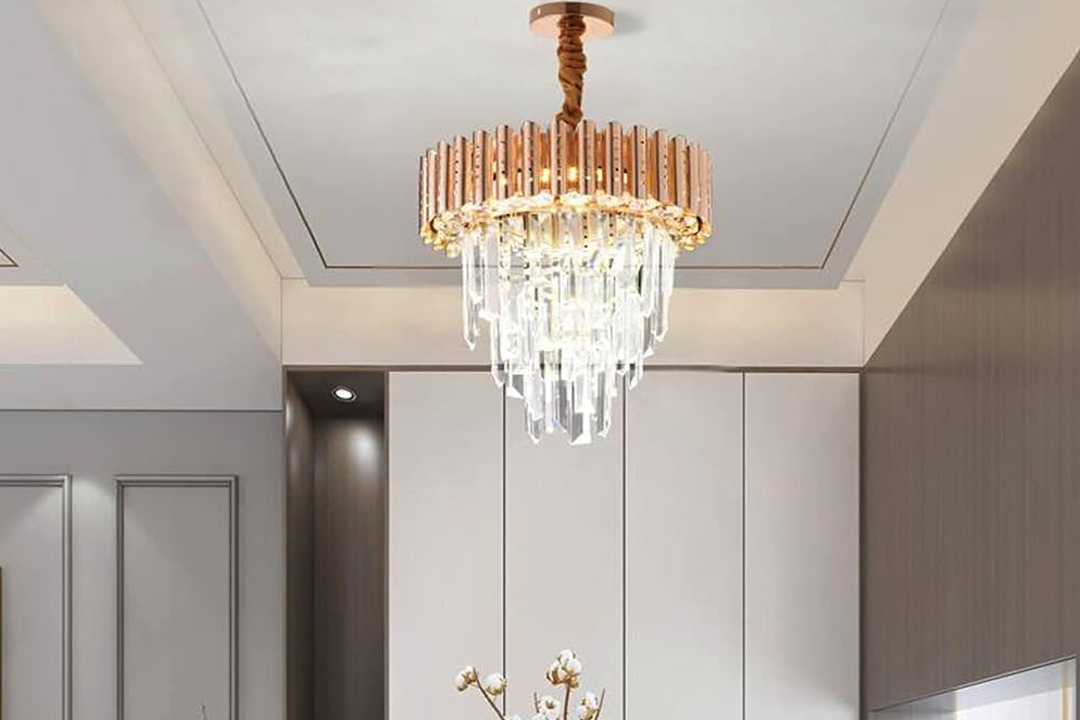
So, you’re wondering if a contemporary chandelier can really be the star of your dining room? The short answer is a resounding yes! A well-chosen modern chandelier does more than just light up your table; it acts as a visual anchor, a statement piece that can completely transform your dining space into something special. It’s about finding that perfect balance of form, function, and style that speaks to your personal taste and the overall feel of your home.
Think of a contemporary chandelier not just as a light Uselu fixture, but as a deliberate design choice. It’s one of the few elements that can occupy a significant visual space without being cluttered.
Setting the Mood
The right chandelier can fundamentally alter the atmosphere of your dining room. Is it a place for intimate dinners, lively family gatherings, or a bit of both? The style, size, and light quality of your chandelier play a huge role in achieving that desired ambiance.
Warm and Inviting Ambiance
For a cozy, welcoming feel, consider chandeliers with warm LED bulbs or those that cast a diffused light. Materials like brushed brass, matte black, or even natural wood accents can contribute to this warmth.
Sleek and Sophisticated Atmosphere
If you’re aiming for a more polished look, think about chandeliers with clean lines, geometric shapes, and materials like polished chrome, glass, or even minimalist exposed bulbs on a sleek frame.
Defining the Space
Even in an open-plan home, a chandelier can visually delineate the dining area from other zones. It draws the eye and creates a sense of purpose for that particular spot.
Visual Anchor in Open Concept Homes
In open-plan living, the chandelier acts as a beacon for the dining area. It tells people, “This is where we eat, converse, and connect.” Its scale and design are key to achieving this without overwhelming the space.
Creating Zones Without Walls
Without physical barriers, a striking chandelier can functionally create a separate “room” for dining, guiding the flow and perception of your home.
Choosing the Right Scale and Proportion
This is where practical application comes in. The size of your chandelier matters. Too big and it dominates. Too small and it gets lost.
Dining Table Dimensions
The general rule of thumb is that your chandelier should be about half to two-thirds the width of your dining table. This ensures it looks balanced and doesn’t feel overwhelming or insignificant.
Width is Key
Measure your table. Then measure again. This number is crucial for determining the maximum diameter or span of your chandelier.
Height Considerations
When it comes to height, think about the space above your table. You want it low enough to feel present but high enough that people can comfortably walk underneath without bumping their heads – typically 30-36 inches from the tabletop.
Room Ceiling Height
A grand chandelier might look fantastic in a room with high ceilings, but it could feel oppressive in a standard-height room. Conversely, a very low-profile fixture can make a room with soaring ceilings feel a bit sparse.
Low Ceilings
For rooms with lower ceilings, opt for flush-mount fixtures or chandeliers with a more compact, linear design. Avoid anything too bulky or that hangs too low.
High Ceilings
High ceilings offer more flexibility. You can go for larger, more dramatic chandeliers, or even employ multi-tiered designs to fill the vertical space effectively.
Material Matters: Beyond Just Metal and Glass
Contemporary chandeliers come in a surprising array of materials, each bringing its own character to the dining space.
Beyond Traditional
Forget the crystal of yesteryear. Modern materials offer new textures and aesthetics.
Natural Elements
Think about chandeliers incorporating wood, rattan, or even ceramic. These can add a softer, more organic feel to the dining area, bridging the gap between modern design and a connection to nature.
Sculptural and Artistic Forms
Many contemporary chandeliers are designed like art pieces. They might use unique metal finishes like blackened steel, antique bronze, or even colorful powder-coating to make a bold statement.
The Role of Light Diffusion
The material of the shade or diffuser significantly impacts how light is cast.
Frosted or Opal Glass
These materials offer a soft, diffused glow that’s easy on the eyes and creates a more even illumination. They’re great for reducing glare.
Clear or Colored Glass
Clear glass can highlight the bulbs themselves, often seen in industrial-inspired or minimalist designs. Colored glass can add a vibrant pop of personality.
Fabric or Woven Materials
Some modern chandeliers use fabric shades or woven elements to create a diffused, warm light and add texture to the design.
Styles to Consider for a Contemporary Dining Space
“Contemporary” is a broad term, and within it lies a spectrum of styles that can suit your dining room.
Minimalist and Geometric
This style emphasizes clean lines, simple shapes, and a lack of ornamentation.
Linear Chandeliers
These are often long and rectangular, making them perfect for elongated dining tables. They offer a sleek, modern silhouette.
Spherical or Orb Chandeliers
Groups of spheres or single, large orbs can create a playful yet sophisticated focal point. They offer a softer, more rounded contrast to sharp-edged furniture.
Industrial-Inspired
This aesthetic draws inspiration from factories and warehouses, using raw materials and exposed elements.
Metal Cages and Exposed Bulbs
Chandeliers featuring metal cages surrounding bulbs or prominent, Edison-style bulbs evoke an industrial charm.
Blackened Steel and Aged Finishes
These materials lend an authentic, utilitarian feel to the fixture.
Scandinavian-Inspired
Known for its simplicity, functionality, and natural materials, this style offers a calm and inviting aesthetic.
Light Woods and Simple Forms
Chandeliers with light-toned wood accents and uncomplicated shapes fit seamlessly into this design ethos.
Subtle Curves and Organic Touches
While minimalist, Scandinavian design often incorporates gentle curves that feel natural and unfussy.
Sculptural and Artistic
These are fixtures that are as much about form as they are about illumination.
Statement Pieces
These chandeliers are designed to be conversation starters, often featuring unique or asymmetrical designs.
Unexpected Materials and Textures
Think concrete, recycled materials, or unusual metal combinations that push the boundaries of traditional lighting.
Integration and Practicalities
Once you’ve found “the one,” how does it best fit into your existing space and needs?
Lighting Layers
A chandelier is usually your primary light source, but it shouldn’t be the only one.
Complementary Lighting
Consider adding wall sconces, table lamps on a nearby buffet, or even recessed lighting to create a layered lighting scheme. This allows you to adjust the mood and functionality of the room.
Dimmers are Your Friend
Installing a dimmer on your chandelier is almost a necessity. It allows you to control the intensity of the light, from bright for task lighting during meals to dim for a more intimate setting after dinner.
Color Palette and Tone
The color of your chandelier should harmonize with your room’s existing colors.
Metal Finishes
Brushed nickel, polished chrome, matte black, brass, and copper are common choices. Consider what other metals are present in your room (cabinet hardware, picture frames) and aim for consistency or a complementary mix.
Wood Tones
If your chandelier incorporates wood, ensure its tone complements the wood furniture or flooring in the space.
Maintenance and Cleaning
It’s a practical consideration, especially for a piece that’s often at eye level.
Ease of Cleaning
Some chandelier designs, with many intricate parts or hanging elements, can be a dust magnet and a chore to clean. Consider how easy it will be to reach and wipe down the fixture.
Bulb Replacement
Think about the type of bulbs used and how easy they are to access for replacement. Long-lasting LED bulbs can mitigate this concern for a while.
The Impact on Everyday Life
Beyond aesthetics, a contemporary chandelier affects how you experience your dining space daily.
Enhanced Meal Experiences
The right lighting can make food look more appealing and the act of dining more enjoyable.
Reducing Glare on Food and Tableware
A well-diffused light will prevent harsh reflections that can detract from the visual appeal of your meal.
Creating a Focus for Conversation
When the light is inviting and comfortable, it encourages people to linger at the table and engage in conversation.
A Lasting Investment
A statement chandelier isn’t just a purchase; it’s an investment in your home’s style and atmosphere.
Durability and Quality
Opt for well-made fixtures from reputable brands. A quality chandelier will stand the test of time, both in terms of its physical integrity and its enduring style.
Resale Value
A well-chosen, stylish chandelier can also be a selling point when it comes time to move. It adds to the perceived value and desirability of your home.
In conclusion, a contemporary chandelier is far more than just a light source for your dining room. It’s a carefully selected design element that can elevate your space, influence its atmosphere, and become the undeniable focal point that ties everything together. By considering scale, material, style, and practicalities, you can choose a fixture that not only illuminates your table but also profoundly enhances your everyday living.