

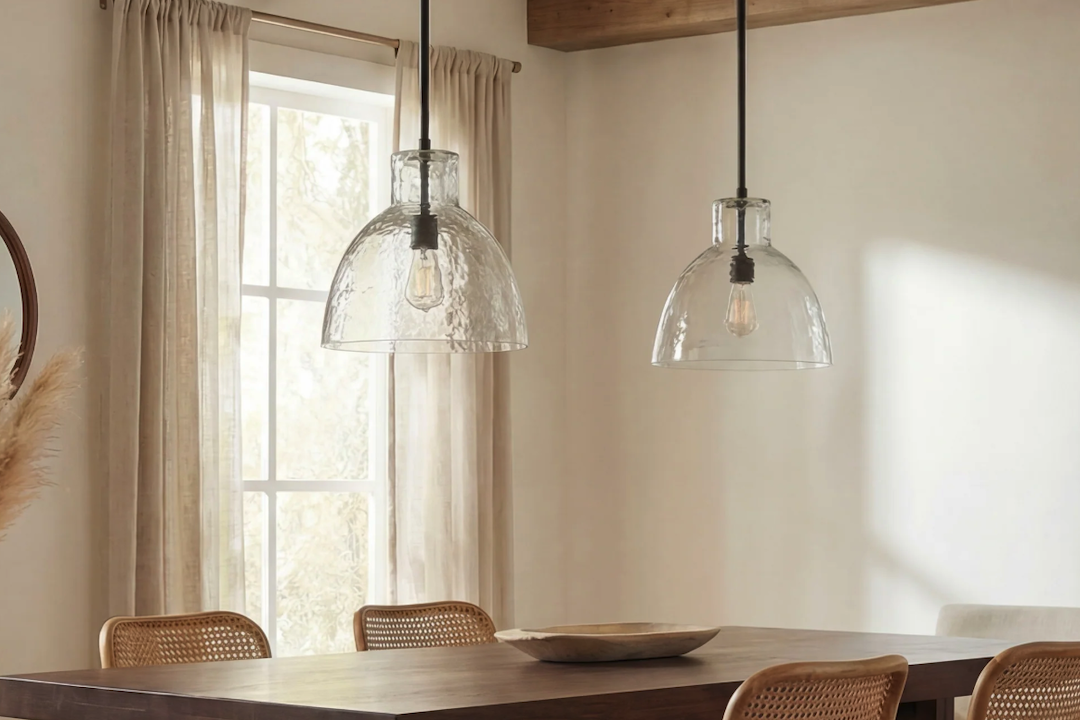
Thinking about giving your dining room a bit of a makeover and wondering if glass pendant lights are the way to go for that “wow” factor? In a nutshell, yes, they absolutely can be. Glass pendants offer a fantastic blend of style and practicality, capable of transforming a standard dining space into something genuinely memorable. They’re versatile, come in a huge array of designs, and importantly, they do a great job of illuminating your table, which is, after all, their primary function. Let’s dive into how you can use them to achieve that desired impact without making your room feel cluttered or overdone.
Why Glass Pendants are a Great Choice for Dining Rooms
Glass pendant lights are more than just sources of light; they’re decorative elements in themselves. Their ability to refract and reflect light Miilighting creates a dynamic visual effect that paper or fabric shades simply can’t replicate. This inherent quality makes them perfect for settings where you want to create a sophisticated ambiance.
The Play of Light and Shadow
One of the most captivating aspects of glass pendants is how they interact with light. Depending on the type of glass and the fixture’s design, they can cast intriguing patterns on your walls and ceiling. This dynamic interplay adds depth and visual interest, moving beyond simple illumination to become a feature of the room’s atmosphere.
- Ambient Glow: Clear or lightly frosted glass allows for a broad diffusion of light, creating a warm and inviting atmosphere. This is particularly effective when you want a dining space that feels cozy and encourages conversation.
- Sparkle and Shine: Highly polished or crystal-infused glass can catch and reflect light brilliantly, adding a touch of glamour. This is ideal for spaces aiming for a more formal or opulent feel.
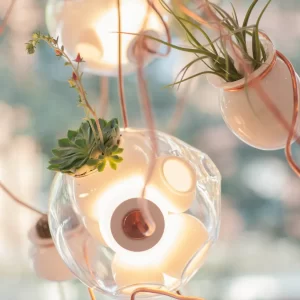
- Shadow Play: Certain textured or bubbled glass designs can create subtle shadow patterns, adding a layer of subtle intrigue without being distracting.
Versatility in Design
The sheer variety of glass pendant designs available today means there’s something to suit almost any decor style. From sleek, minimalist spheres to elaborate, multi-tiered chandeliers, the material’s inherent qualities lend themselves to diverse interpretations.
- Modern Minimalism: Think clean lines, geometric shapes, and clear or frosted glass. These pendants offer understated elegance for contemporary dining rooms.
- Art Deco Flair: Look for stepped designs, geometric patterns, and darker, more dramatic glass shades. These can bring a touch of vintage Hollywood to your space.
- Rustic Charm: Consider hand-blown glass with organic shapes or a slightly imperfect finish. These can add warmth and character to more traditional or farmhouse-style dining rooms.
- Industrial Chic: Metal accents combined with clear, hand-blown glass can bridge the gap between industrial and refined, offering a sophisticated take on the trend.
Choosing the Right Glass Pendant for Your Dining Table
The most critical aspect of selecting a glass pendant for your dining room is ensuring it complements your table and the overall scale of the room. It’s not about picking the prettiest light; it’s about finding one that functions well and enhances the space.
Sizing Matters: Not Too Big, Not Too Small
The size of your pendant relative to your dining table is paramount. A pendant that’s too large can overwhelm the table and the room, while one that’s too small will look lost and won’t provide adequate lighting.
- Table Width Guidance: A general rule of thumb is that the total width of your pendant(s) should be about half to two-thirds the width of your dining table. For a rectangular table, you might consider two or three smaller pendants hung in a row.
- Ceiling Height Considerations: Taller ceilings can accommodate larger or more dramatic pendants. Lower ceilings require more streamlined, less voluminous designs to avoid making the room feel cramped.
- Visual Weight: Think about the visual weight of the pendant. A large, solid-colored glass pendant will feel heavier than a clear, delicate one of the same size.
Height is Might: Getting the Drop Right
The height at which you hang your pendant(s) directly impacts both the aesthetics and the functionality. It’s a detail that can make or break the overall look and usability of your dining area.
- Eye Level Sweet Spot: For optimal visibility and to prevent heads from bumping, the bottom of the pendant should typically hang between 30 and 36 inches above the tabletop. This provides ample light without being directly in your line of sight during meals.
- Open Space Clearance: If your dining room is a high-traffic area or adjacent to a living space, ensure there’s enough clearance for people to walk under the pendant without concern. This might mean hanging it slightly higher.
- Layering Lights: If you have other light sources in the room, consider how the pendant’s height will interact with them. You want a balanced lighting scheme.
Different Types of Glass Pendants and Their Impact
The type of glass used in a pendant significantly influences its appearance and how it illuminates your space. Each variation offers a unique aesthetic and functional characteristic.
Clear Glass: Unadulterated Brilliance
Clear glass is a classic choice that offers maximum light transmission and a completely unobstructed view of the bulb. This makes it incredibly versatile and allows the light source itself to become part of the design.
- Maximizing Ambiance: When paired with decorative Edison bulbs or other filament-style bulbs, clear glass pendants create a warm, inviting glow. The visible bulbs become part of the aesthetic.
- Modern and Airy: For a clean, contemporary look, clear glass is ideal. It doesn’t visually clutter the space and makes the room feel more open.
- Ease of Cleaning: While fingerprints are visible, clear glass is generally easy to wipe down and restore to its original shine.
Frosted or Etched Glass: Softening the Glow
Frosted or etched glass diffuses light more evenly, creating a softer, more ambient glow. This can be particularly desirable in a dining room to avoid harsh shadows or glare.
- Reduced Glare: The diffusion prevents direct light from hitting diners, which can be more comfortable, especially during longer meals or at night.
- Subtle Sophistication: The softened light adds a layer of refinement and can create a more subtle, intimate atmosphere.
- Concealing Bulbs: Frosted glass is excellent for hiding less aesthetically pleasing bulbs, allowing you to focus on the fixture’s design and the quality of light.
Textured or Patterned Glass: Adding Visual Interest
Glass with inherent textures or patterns, such as bubbled, rippled, or hammered finishes, adds a unique artisanal quality. These are excellent for creating focal points and adding character.
- Artistic Flair: Textured glass introduces a handmade, almost sculptural element to your lighting.
- Unique Light Effects: The patterns and textures can create interesting light and shadow play, making the illumination itself a dynamic feature.
- Hiding Imperfections: Minor imperfections or the appearance of fingerprints can be less noticeable on textured surfaces.
Colored Glass: A Pop of Personality
Glass pendants in various colors can inject personality and style into a dining room. The choice of color can set the mood and complement your existing decor.
- Mood Setting: Warm colors like amber or deep reds can create a cozy, inviting feel, while cooler blues or greens can offer a more tranquil, sophisticated ambiance.
- Coordinating with Decor: Colored glass can tie together the color palette of your room, acting as a subtle accent or a bold statement piece.
- Daytime Appeal: Even when the lights are off, colored glass pendants can add visual interest and vibrancy to the room.
Beyond the Single Pendant: Grouping for Impact
While a single, well-chosen pendant can be stunning, grouping multiple glass pendants offers a different kind of impact – one of curated style and balanced illumination. This approach allows for more creative expression.
The Power of Three: A Classic Configuration
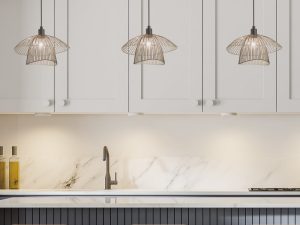
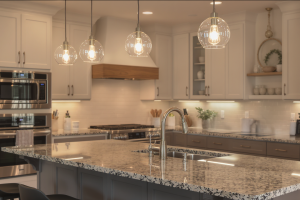
Hanging three pendants in a row is a timeless arrangement that works exceptionally well over rectangular or square dining tables. It provides consistent lighting across the entire surface.
- Even Distribution: Three pendants ensure that every spot at the table receives adequate light, eliminating dark spots.
- Balanced Aesthetics: The repetition of the same or similar pendants creates a sense of order and visual harmony.
- Scalability: The spacing between the three pendants should be considered to maintain visual balance; they shouldn’t be too close or too far apart.
Cluster Pendants: Dressed to Impress
A cluster of several glass pendants, often varying slightly in size or height, can create a dramatic focal point. This is a bolder choice that can make a significant design statement.
- Sculptural Effect: A well-arranged cluster can resemble a piece of modern art, adding a strong visual anchor to the room.
- Dynamic Lighting: The varied heights and placement can create a more dynamic and layered lighting effect.
- Consider the Canopy: The ceiling canopy that houses the electrical connections needs to be able to support multiple fixtures and be aesthetically pleasing itself.
Asymmetrical Groupings: Artistic Intent
For a more avant-garde look, consider an asymmetrical arrangement of glass pendants. This requires a bit more planning but can result in a truly unique and sophisticated display.
- Intentional Chaos: The idea is to create an arrangement that appears casually artistic rather than haphazard.
- Balancing Visual Weight: Even in an asymmetrical design, it’s important to consider the overall visual balance and ensure one side doesn’t feel too heavy.
- Works with Various Table Shapes: This approach can be particularly effective over round or irregularly shaped tables.
Practical Considerations for Your Glass Pendant Purchase
Beyond the style and the sparkle, there are practical aspects to consider when investing in glass pendant lighting for your dining room. These details ensure a smooth installation and long-term satisfaction.
Bulb Type and Brightness: Functionality Meets Form
The light bulb you choose for your glass pendant is crucial. It impacts the ambiance, energy efficiency, and how well your dining space is illuminated.
- LED Compatibility: Most modern pendants are designed for LED bulbs, which are energy-efficient and long-lasting.
- Color Temperature: Consider the bulb’s color temperature (measured in Kelvin). Warm white (2700K-3000K) is generally best for dining rooms, creating a cozy atmosphere.
- Dimmer Switches: Installing a dimmer switch is highly recommended. It allows you to adjust the light intensity for various occasions, from intimate dinners to casual family meals, and extends the life of your bulbs.
Installation and Electrical Work: Planning is Key
Unless you have significant electrical experience, it’s often best to have a qualified electrician install your pendant lights. This ensures safety and proper functionality.
- Professional Assessment: An electrician can assess your existing wiring and determine if any upgrades are needed.
- Mounting Hardware: Ensure the correct mounting hardware is included and that your ceiling can support the weight of the fixture.
- Wiring Configuration: For multiple pendants, the electrician will need to ensure the wiring is set up correctly for a unified or individually controlled system.
Maintenance and Cleaning: Keeping Them Gleaming
Glass pendants, while beautiful, do require some upkeep to maintain their shine and appeal.
- Regular Dusting: A soft, dry cloth can be used for regular dusting of the glass and metal components.
- Fingerprint Removal: For more stubborn marks, a gentle glass cleaner and a microfiber cloth are usually sufficient. Avoid abrasive cleaners that could scratch the glass.
- Deep Cleaning: Periodically, you may need to carefully remove the glass shades for a more thorough wash, following the manufacturer’s instructions.
By carefully considering these aspects, you can select and install glass pendant lighting that not only adds that sought-after “wow” factor to your dining room but also provides beautiful, functional illumination for years to come. It’s about smart choices that enhance both form and function.