





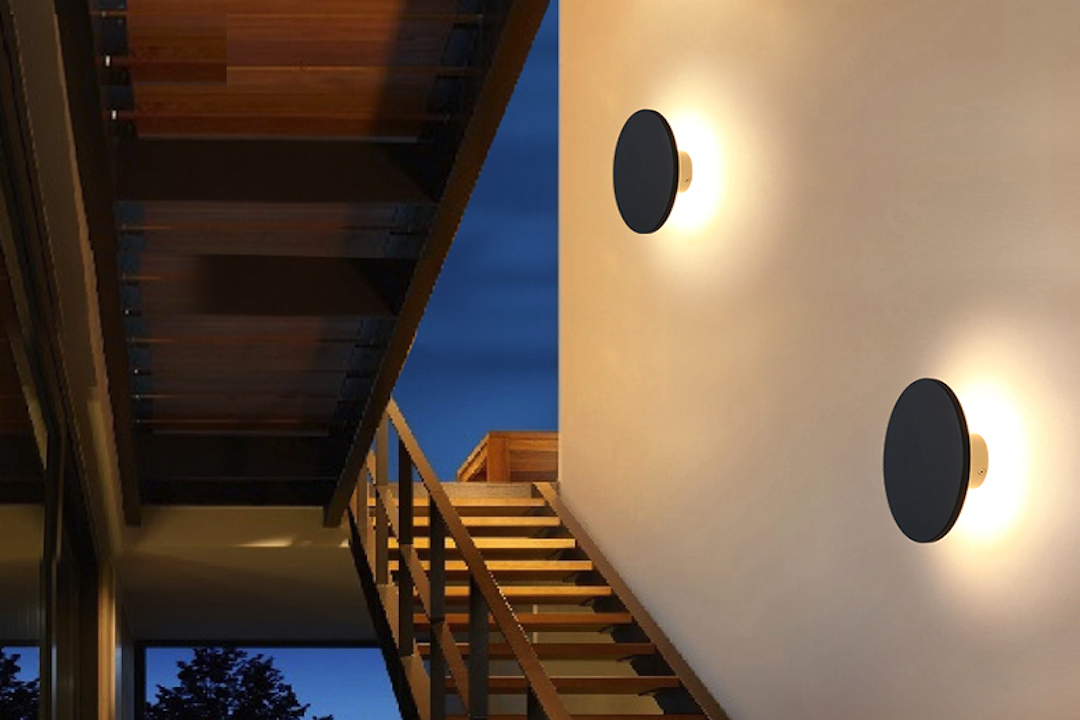
Corridors, often overlooked utilitarian spaces, are undergoing a design transformation. No longer mere transitional pathways, they are increasingly seen as integral parts of a home’s aesthetic. Central to this reimagining is lighting. Specifically, the brushed gold wall sconce has emerged as a prominent feature, offering both functional illumination and a distinct design statement. This article examines the contemporary role of these fixtures in corridor design, considering their material properties, lighting characteristics, and integration into various interior styles.
Historically, corridor lighting Omelighting was secondary to practical considerations. A single ceiling fixture, perhaps a flush mount or recessed can light, provided basic visibility. Design was rarely a priority. However, modern interior design emphasizes a holistic approach, viewing every space as an opportunity for aesthetic cohesion and functional refinement.
Corridors serve several important functions beyond simply connecting rooms. They often act as display areas for artwork, photographs, or decorative objects. They create a sense of procession and flow within a home. Consequently, the demands placed on corridor lighting have expanded. It must not only illuminate the path but also enhance the visual appeal of these spaces and contribute to the overall ambiance.
Beyond Basic Illumination
- Highlighting Features: Sconces can strategically illuminate artwork or architectural details, drawing attention to specific elements along the corridor.
- Creating Ambiance: The type, color temperature, and intensity of light from sconces can significantly impact the mood of a corridor, making it feel inviting or more formal.
- Defining Space: Well-placed sconces can help define the length or width of a corridor, visually altering its perception.
The brushed gold wall sconce distinguishes itself from other lighting options through its material and mounting. Wall-mounted fixtures inherently provide a different quality of light than ceiling-mounted alternatives. They often cast light upwards and downwards, or outwards, creating softer shadows and a more diffused glow. The brushed gold finish, in particular, adds a distinct aesthetic dimension that warrants closer examination.
Material Aesthetics: Brushed Gold in Detail
The appeal of brushed gold lies in its specific aesthetic qualities. It offers a warmth associated with traditional metals but with a subdued, contemporary finish. Unlike highly polished brass or chrome, brushed gold presents a matte, structured surface. This texture is achieved through mechanical abrasion, which creates fine, parallel lines on the metal.
This brushed finish directly influences how the material interacts with light. It diffuses reflections rather than creating sharp glints, resulting in a softer, more sophisticated appearance. This characteristic is particularly relevant in lighting fixtures, as it prevents harsh glare from the fixture itself and contributes to a gentler overall illumination.
Fabrication and Finish
- Base Metals: Brushed gold fixtures are typically made from brass, steel, or aluminum, which are then electroplated or PVD (Physical Vapor Deposition) coated with a gold-tone finish. The brushing process occurs before or after this finishing layer, depending on the desired effect and manufacturing process.
- Durability and Maintenance: Brushed finishes tend to be more forgiving than polished ones when it comes to fingerprints and minor scratches. They generally require less frequent polishing to maintain their appearance, often needing only a soft cloth for dusting. However, abrasive cleaners should be avoided as they can damage the brushed texture.
The color of “gold” can also vary widely across different manufacturers and finishes. Some brushed golds lean more towards a yellow or brassy hue, while others incorporate hints of champagne or rose gold. This variation allows for fine-tuning to specific interior palettes, from warm, earthy tones to cooler, more minimalist schemes. The choice of a particular brushed gold shade can significantly impact the overall visual temperature of a corridor.
Lighting Characteristics and Functional Placement
The primary function of a wall sconce is, of course, illumination. Brushed gold wall sconces, like all sconces, contribute to the layered lighting approach often employed in modern design. They typically serve as accent lighting or ambient lighting, rather than primary task lighting.
The light emitted from a sconce depends heavily on its design. Some direct light upwards and downwards, creating a characteristic “wall wash” effect. Others might have shades that diffuse light outwards, providing a more general glow. The placement of these fixtures is crucial for maximizing their functional and aesthetic impact.
Light Distribution Patterns
- Up/Down Lighting: Many corridor sconces direct light both upwards towards the ceiling and downwards towards the floor. This creates a dramatic effect, highlighting the verticality of a wall and often making a corridor feel taller.
- Diffused Lighting: Sconces with frosted or fabric shades diffuse light more broadly, contributing to a general ambient glow without harsh shadows. This can be suitable for longer corridors where a softer, uniform light is desired.
- Forward-Facing Lighting: Less common in corridors, but some sconces have a more forward-facing aspect that projects light directly outward. These are often used for specific task lighting or to highlight a particular object placed beneath them.
Spacing is another critical consideration. In a long corridor, sconces should be spaced evenly to create a rhythmic pattern and prevent dark spots. The distance between sconces will depend on the intensity of their light output, the height of the ceiling, and the desired level of illumination. A common guideline is to place sconces approximately 6-8 feet apart, though this can vary.
Mounting height is also important. Sconces are typically mounted at eye level, or slightly above, to provide comfortable illumination without glare. For most corridors, this means a height of approximately 60-70 inches from the floor to the center of the fixture. However, this can be adjusted based on ceiling height and personal preference.
Design Integration: Harmonizing with Interiors
The versatility of the brushed gold wall sconce allows for its integration into a wide range of interior design styles. Its material warmth and subtle sheen offer common ground between traditional and contemporary aesthetics.
In modern minimalist settings, a sleek, geometric brushed gold sconce can introduce a touch of warmth and material interest without disrupting the clean lines. The brushed finish prevents it from appearing overly ornate or flashy, maintaining the understated elegance characteristic of contemporary design.
Conversely, in more traditional or transitional interiors, a brushed gold sconce with a more classic silhouette or decorative elements can bridge the gap between old and new. It provides the enduring appeal of gold while offering a less formal and more current finish than highly polished brass.
Style Pairings
- Minimalist & Scandinavian: A simple, unadorned brushed gold sconce provides a metallic accent and warm glow, contrasting well with neutral palettes and natural materials like light wood.
- Transitional & Contemporary: The brushed finish allows these sconces to blend seamlessly, offering a refined touch without being overly decorative. They complement varied textures and subtle patterns.
- Industrial Chic: While less common, a robustly designed brushed gold sconce can introduce an unexpected touch of luxury against exposed brick, concrete, and black metal elements, softening the industrial edge.
- Art Deco & Mid-Century Modern: Brushed gold naturally aligns with these periods, which often utilized warm metals. Geometric forms and bold lines resonate particularly well with brushed gold finishes.
Crucially, the choice of other metallic accents within the corridor and adjoining rooms should be considered. While mixing metals is a contemporary trend, ensuring a harmonious balance is key. Brushed gold can complement matte black, bronze, or even certain brushed nickel finishes when carefully selected. The goal is to create a cohesive visual language throughout the home.
Considerations for Selection and Installation
Selecting the right brushed gold wall sconce involves more than just aesthetic appeal. Practical considerations regarding electrical infrastructure, bulb types, and compliance with building codes are essential for a successful installation and long-term satisfaction.
Before purchasing any fixture, it is important to confirm the existing electrical wiring in the corridor. Most wall sconces require a junction box for permanent installation. If no existing wiring or junction box is present, professional installation by a licensed electrician will be necessary, which can involve routing new wiring through walls.
Technical Aspects
- Bulb Type: Modern sconces are designed for various bulb types, including incandescent, halogen, CFL, and LED. LED bulbs are increasingly popular due to their energy efficiency, long lifespan, and customizable color temperatures (warm white, cool white). Many brushed gold sconces are now designed with integrated LED modules, eliminating the need for separate bulb purchases.
- Dimming Capabilities: For adjustable ambiance, consider sconces that are compatible with dimmer switches. This allows for fine-tuning of light intensity based on time of day or desired mood. Ensure both the fixture and the bulb (if separate) are dimmable.
- UL/ETL Certification: Always check for safety certifications such as UL (Underwriters Laboratories) or ETL (Electrical Testing Laboratories). These certifications indicate that the product meets recognized safety standards.
The size and scale of the sconce should also be appropriate for the corridor. An oversized fixture can overwhelm a narrow hallway, while a diminutive one might get lost in a grander space. Visualizing the sconce in its intended location, perhaps by taping a paper cutout to the wall, can assist in making an informed decision.
Finally, consider the overall maintenance requirements. While brushed gold is relatively low-maintenance, regular dusting will keep the finish looking its best. The accessibility of the bulbs for replacement (if not integrated LED) should also be taken into account.
Long-Term Impact and Value
The enduring appeal of brushed gold suggests that these fixtures are not simply a fleeting trend. Their combination of classic warmth and contemporary finish gives them a lasting quality that transcends momentary fads. Investing in well-designed and appropriately illuminated corridors can significantly enhance a home’s perceived value and occupant experience.
Good lighting, including the strategic use of brushed gold wall sconces, transforms a functional space into an engaging one. It contributes to a sense of completeness in design, demonstrating attention to detail that elevates the entire aesthetic. By carefully considering the material, light characteristics, and integration into the broader interior, these fixtures play a role in creating cohesive and inviting living environments. Their presence often signals a thoughtful approach to interior design, where every element, even in a transitional space, is considered for its contribution to form and function.